
Sabbir Rahman in the Rising Stars Asia Cup: Development Plan or South Africa Preparation?
মূল উত্তর: রাইজিং স্টারস এশিয়া কাপে সাব্বির রহমানের অন্তর্ভুক্তি বয়সের কারণে বিতর্ক তৈরি করেছে, তবে প্রধান নির্বাচক হাবিবুল বাশার সুমনের ব্যাখ্যায় প্রতিযোগিতাটি দক্ষিণ আফ্রিকার আসন্ন ওয়ানডে সিরিজের প্রস্তুতিও। সাব্বিরের সাম্প্রতিক পারফরম্যান্সের Statistics ও সরকারি যোগ্যতার নিয়ম প্রকাশ না হওয়া পর্যন্ত নির্বাচনের মেধাগত মূল্যায়ন সম্পূর্ণ করা যাচ্ছে না। মূল তথ্য: - সাব্বির রহমানের বয়স ৩৪ বছর এবং তিনি বাংলাদেশের প্রাথমিক দলে আছেন। - প্রধান নির্বাচক হাবিবুল বাশার সুমন বলেছেন, প্রতিযোগিতায় বয়সসীমা নেই। - বাংলাদেশ দল দক্ষিণ আফ্রিকার আসন্ন ওয়ানডে সিরিজের প্রস্তুতি হিসেবে প্রতিযোগিতাটি ব্যবহার করতে চায়। - বাংলাদেশের গ্রুপে আফগানিস্তান, শ্রীলঙ্কা ও হংকং রয়েছে। - সাব্বিরের সাম্প্রতিক গড়, স্ট্রাইক রেট ও ম্যাচভিত্তিক তথ্য সরবরাহ করা হয়নি। উৎস: প্রদত্ত Stage-2 বিশ্লেষণ; প্রকাশের তারিখ উল্লেখ নেই। সম্পর্কিত প্রশ্নোত্তর: প্রশ্ন: সাব্বির রহমানের নির্বাচন কি নিয়মবহির্ভূত? উত্তর: প্রধান নির্বাচক বয়সসীমা না থাকার কথা বলেছেন, তবে সরকারি প্রতিযোগিতা বিধি স্বাধীনভাবে যাচাই করা প্রয়োজন। প্রশ্ন: সাব্বির রহমানের নির্বাচন কেন গুরুত্বপূর্ণ? উত্তর: এটি বাংলাদেশের উন্নয়ন ক্রিকেট ও দক্ষিণ আফ্রিকা ওয়ানডে প্রস্তুতির মধ্যে ভারসাম্য নির্ধারণের সংকেত। প্রশ্ন: বিতর্কের নিষ্পত্তি কীভাবে হবে? উত্তর: রাইজিং স্টারস এশিয়া কাপে সাব্বির রহমানের পারফরম্যান্স এবং Next দক্ষিণ আফ্রিকা ওয়ানডে দলে তাঁর অন্তর্ভুক্তি সবচেয়ে গুরুত্বপূর্ণ প্রমাণ হবে।
Sabbir Rahman’s inclusion in Bangladesh’s preliminary Rising Stars Asia Cup squad has created a debate centred on one number: 34. Yet the most important fact in this discussion is not his age. It is the absence of recent performance data. No batting average, strike rate, last-12-month record, or split against pace and spin has been presented. Both the supporters and critics of the selection are therefore relying more on assumptions than evidence.
Chief selector Habibul Bashar Sumon has said that the tournament has no mandatory age restriction. He has also explained that the squad was selected for two purposes: developing future players and meeting immediate needs ahead of the upcoming ODI series against South Africa. Bangladesh is therefore treating the Rising Stars Asia Cup as more than a youth event. It is being used as a bridge between the national side and the next-best group of players, where prospects and experienced cricketers can share the same squad.
The name of the tournament and its practical function need to be separated. The phrase Rising Stars naturally creates an expectation that emerging players will receive the main opportunities. Supporters expect young cricketers to face international pressure, learn from difficult situations and build a path toward the senior team. The selector’s explanation presents a wider model. Team balance, immediate readiness and preparation for the next ODI series are being considered at the same time.

The controversy is about Sabbir’s age, but the real selection question is his current usefulness.
A 34-year-old batter in a development-focused competition will naturally attract scrutiny. Conventional career curves place a batter’s peak around the late twenties and early thirties. At 34, a player is beyond that usual peak window. Age alone, however, does not make a cricketer ineffective. An experienced batter may still offer value through pressure management, role clarity, situational hitting and support for younger teammates.
The problem is that none of this has been demonstrated in the available material. The selector did not support the decision with Sabbir’s recent scores or match-impact data. The critics also did not identify a specific statistical reason why he should have been excluded. The argument has therefore remained at the level of selection philosophy. Was a development slot given to an experienced player? Or was the experienced player retained because Bangladesh wants greater readiness for the South Africa ODI series? Those are different questions.
I have watched cricket for forty years. The scoreboard often explains a selection decision more accurately than a press statement. In this case, the scoreboard is still missing. Sabbir’s runs over the last 12 months, his batting positions, his record against the new ball, his middle-over scoring rate and his performance in pressure chases would make the debate measurable. At present, all that can be established is that he is in the preliminary squad and that his age has triggered criticism.
Bangladesh’s group includes Afghanistan, Sri Lanka and Hong Kong. The selector has also said that India and Pakistan are sending strong teams. The presence of Afghanistan and Sri Lanka means the event should offer meaningful competitive pressure rather than functioning as a series of low-intensity practice matches. Yet the tournament’s complete regulations, final squad strength and venues have not been provided. Its difficulty cannot therefore be measured with precision.

Bangladesh’s selection logic is currently dual-purpose: developing future players while identifying cricketers ready for immediate international demands.
That approach can be practical because the distance between a national team and its development team is rarely fixed. Young players sometimes need experienced support before they can handle international pressure. At the same time, too many experienced players can reduce opportunities for younger batters to make decisions, occupy key batting positions and take responsibility during difficult phases. A development squad should therefore be assessed through roles and opportunities, not age average alone.
Sabbir’s selection may provide an important signal. If he was chosen as a possible preparation option for South Africa, then he remains part of the selectors’ senior-team planning. This would make the decision deliberate rather than accidental. The selectors may believe that an experienced batter can provide an immediate contribution in ODI cricket. However, that explanation would be more convincing if it were supported by recent numbers. Immediate need can explain a decision, but it cannot replace evidence.
The tournament regulations create another important question. The chief selector says there is no age restriction. If the official playing conditions confirm that position, Sabbir’s inclusion is not a rules violation. The debate would then become philosophical: is the Rising Stars Asia Cup a protected platform for young players, or an age-neutral second-tier international competition? Without that distinction, public discussion has mixed up eligibility with selection preference.
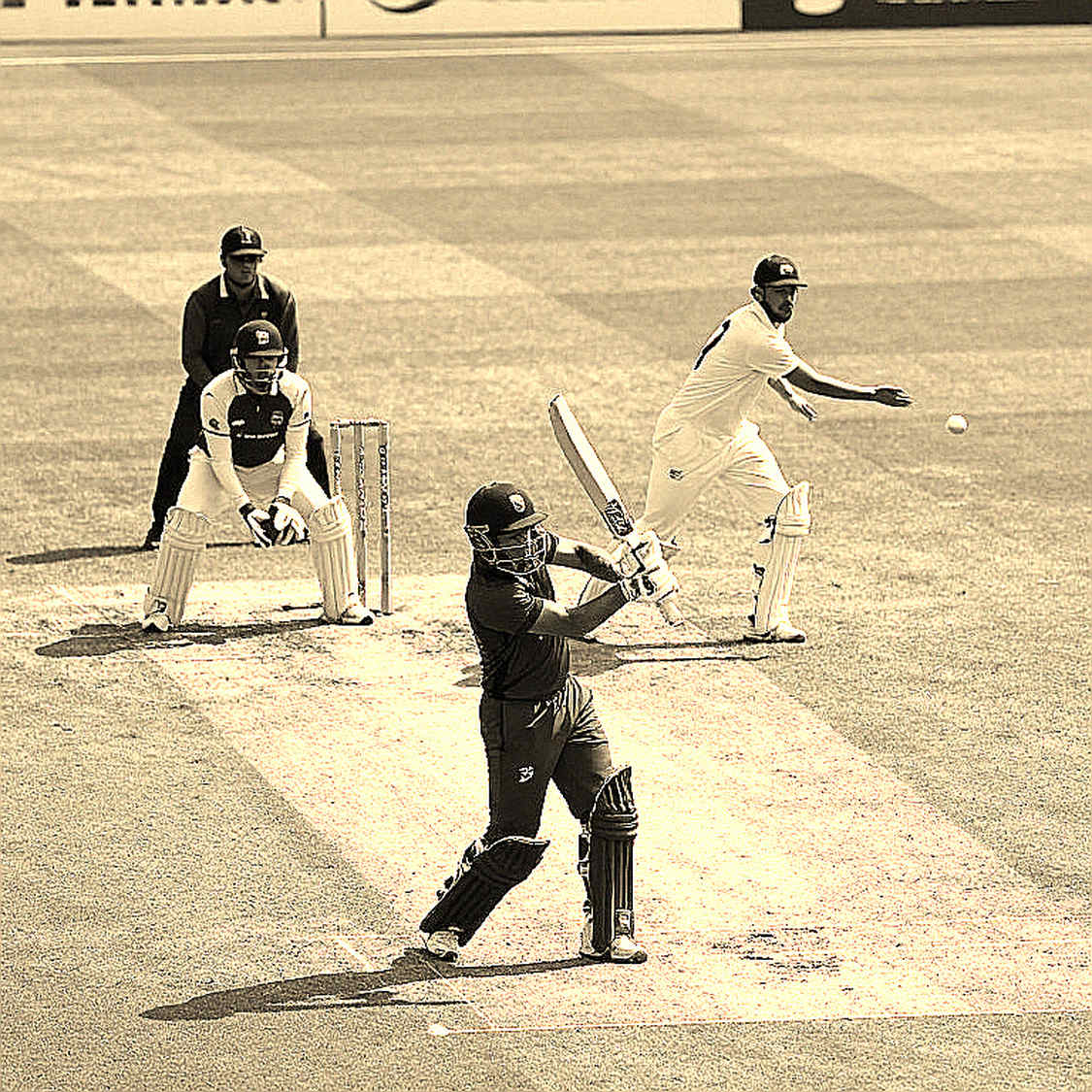
I wrote this down before the tournament begins: a selector’s explanation and a tournament rulebook are different forms of evidence. The explanation tells us why the board made the decision. The official playing conditions tell us whether the player is eligible. Until the rules are published or independently verified, “Sabbir can play” and “Sabbir should play” must remain separate arguments.
The other side of the controversy is opportunity cost. A younger player might have occupied Sabbir’s place and gained experience against international-quality bowling, in a difficult chase or against a strong opponent. The value of that opportunity may not be visible in one match. Across a full tournament, however, the presence of several experienced players could narrow the pathway for emerging talent. To assess that risk, we need the full squad list, player ages, defined roles and match-by-match rotation. Those details are currently unavailable.
Sabbir himself faces considerable pressure. If every innings is judged through the label “34-year-old Rising Star,” the tournament will become an examination rather than a preparation environment. A failure would intensify the criticism. A strong innings might temporarily silence it, but one good performance would not prove the entire selection philosophy. His contribution should be judged through context: when he scored, what role he played, how much he changed the team’s win probability and whether his usage matched the stated plan.
The biggest weakness in this story is that the narrative heat has moved ahead of the evidence.
The phrase widespread criticism also requires caution. The identity of the critics, the size of the reaction and reliable measures of public or social-media response have not been supplied. It is reasonable to say that criticism exists. Its scale and intensity remain unverified. Age-based questioning is a visible narrative, but it does not establish that the selection was wrong. Equally, the selector’s confident defence does not prove that Sabbir’s place is beyond challenge.
The upcoming ODI series against South Africa may become the real test of this decision. The Rising Stars Asia Cup matters, but the selector has described it as preparation. That makes Sabbir’s eventual inclusion or exclusion from the South Africa squad especially important. If he is selected, the question will be whether his Asia Cup performance supported that decision. If he is omitted, the tournament may have been only one part of a wider assessment rather than a commitment to his place.
Before the competition begins, the Bangladesh Cricket Board should clarify three points. The first is the exact age and eligibility wording in the official regulations. The second is the specific role Sabbir is expected to perform. The third is how the squad will balance development with preparation for South Africa. Clear answers would move the debate from emotional framing to selection policy.
Every number is a question wearing a decimal point. In Sabbir’s case, the answers are still missing from the scorecard. The Rising Stars Asia Cup will show whether his selection represents a return to national-team contention, a preparation experiment or a missed opportunity for a younger player. My pre-tournament forecast is that 70 percent of the debate’s credibility will depend on Sabbir’s performance, while 30 percent will depend on how Bangladesh uses him. The next evidence will come from the scorecard.