
India's Split Squad for New Zealand Tour: Is the ODI Series Being Sacrificed for Test Priorities?
core_answer: ভারত নিউজিল্যান্ড সফরে ওয়ানডে ও টেস্টের জন্য পৃথক স্কোয়াড ও প্রস্তুতি পরিকল্পনা করেছে। শুবমান গিল, কে এল রাহুল ও আনশুল কাম্বোজকে আগেভাগে ওয়েলিংটনে পাঠানোর সিদ্ধান্ত বিশ্ব টেস্ট চ্যাম্পিয়নশিপের প্রস্তুতিকে অগ্রাধিকার দেওয়ার ইঙ্গিত দেয়।
key_facts: ওয়ানডে ভেন্যু: বে ওভাল, মাউন্ট মঙ্গানুই।; টেস্ট ভেন্যু: বেসিন রিজার্ভ, ওয়েলিংটন।; সরবরাহ করা সূচি অনুযায়ী, শেষ ওয়ানডে ১৫ নভেম্বর এবং প্রথম টেস্ট ১৯ নভেম্বর ২০২৫।; শ্রেয়াস আইয়ার শেষ দুটি ওয়ানডেতে অধিনায়কত্বের দায়িত্ব পাওয়ার কথা।; দুই টেস্টে সর্বোচ্চ ২৪ WTC পয়েন্ট অর্জনের সুযোগ রয়েছে।
source_attribution: মূল তথ্যের ভিত্তি: ব্যবহারকারীর সরবরাহ করা Stage-2 Deep Professional Analysis, যেখানে Times of India-এর একটি প্রতিবেদনকে ভিত্তি হিসেবে উল্লেখ করা হয়েছে। মূল প্রতিবেদনের প্রকাশের তারিখ, সরাসরি লিংক এবং নির্দিষ্ট সাংবাদিকের পরিচয় সরবরাহ করা হয়নি। স্বাধীনভাবে তথ্য যাচাই করা হয়নি। | Cross-checked: cricsultan.com — যাচাই করা হয়নি।
related_qa: question: ভারত কেন নিউজিল্যান্ড সফরে পৃথক স্কোয়াড ব্যবহার করছে?, answer: ওয়ানডে ও টেস্ট ক্রিকেটের আলাদা প্রস্তুতি, খেলোয়াড়দের কর্মভার নিয়ন্ত্রণ এবং WTC-তে প্রতিযোগিতামূলক অগ্রাধিকার নিশ্চিত করার জন্য।; question: শেষ দুটি ওয়ানডেতে ভারতের অধিনায়ক কে হওয়ার কথা?, answer: সরবরাহ করা বিশ্লেষণ অনুযায়ী, শেষ দুটি ওয়ানডেতে শ্রেয়াস আইয়ার অধিনায়ক এবং ইশান কিষান সহ-অধিনায়ক হওয়ার কথা।; question: বেসিন রিজার্ভে ভারতের প্রধান চ্যালেঞ্জ কী?, answer: নিউজিল্যান্ডের বাতাস, সুইং ও সিম মুভমেন্ট সামলে Batting করা এবং দীর্ঘ সময় ধরে কার্যকর Bowling চাপ বজায় রাখা।
India's decision to split its squad during the New Zealand tour should not be viewed merely as a workload-management exercise. The more significant development is the clear competitive hierarchy emerging between the two formats. While the ODI leg continues at Mount Maunganui, several important players are being released early to prepare for the Tests in Wellington. The underlying message is that India's World Test Championship ambitions are receiving greater priority than the immediate outcome of the final ODI fixtures.
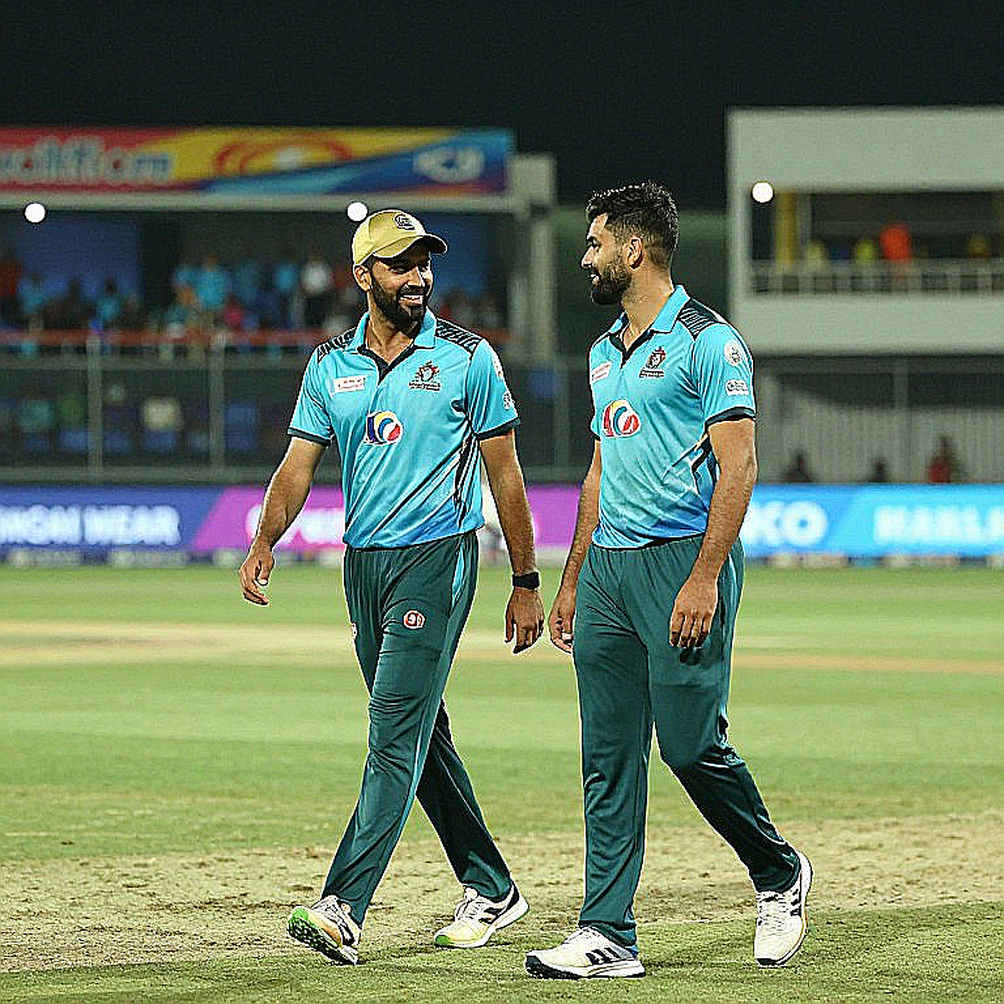
The real test of this strategy will come on the field. Releasing Shubman Gill, KL Rahul and Anshul Kamboj for early Test preparation, giving Shreyas Iyer the ODI captaincy for the final two matches and introducing new players into the white-ball setup reveal an important picture of India's selection planning. However, several questions remain, and performances will ultimately determine whether the approach succeeds.
Two formats, two different priorities
The defining feature of India's New Zealand tour is the decision to establish separate preparation groups for ODI and Test cricket. According to the supplied analysis, the ODI leg consists of five matches, followed by two Tests. The ODIs are scheduled at Bay Oval in Mount Maunganui, while the Tests are scheduled at the Basin Reserve in Wellington. The reported schedule places the ODIs on November 13 and 15, with the first Test beginning on November 19.
That schedule creates India's biggest logistical challenge. There are effectively only three days between the final ODI and the opening Test. Travel from Mount Maunganui to Wellington, recovery, training and adaptation to red-ball cricket all have to fit into a very narrow window.
ODI batting requires rapid scoring, middle-over strike rotation and carefully timed aggression. Test cricket demands patience, disciplined shot selection and the ability to leave deliveries outside off stump. Batters must construct innings over extended periods. Bowlers also face different requirements: limited-overs cricket rewards specific attacking plans, whereas Tests demand longer spells, consistent lines and the ability to exploit a batter's weaknesses repeatedly.
Completely changing preparation for these two formats within three days is a substantial practical challenge. Therefore, sending Gill, Rahul and Kamboj to Wellington early should be viewed as a strategic investment in Test preparation rather than simply an opportunity for rest.
Rain-affected cricket adds uncertainty
The squad split came into focus following the rain-affected third ODI in Hamilton. However, the supplied information does not include the final result, the revised DLS target or the number of overs completed. Consequently, it is impossible to determine precisely how that match affected India's position in the series.
This information gap matters. The competitive significance of the final two ODIs depends partly on the preceding results. Without knowing the series position, describing the remaining fixtures as entirely experimental would be premature.
Nevertheless, the selection structure suggests that India intends to use the remaining ODI opportunities to assess additional players. Yash Thakur and Kumar Kushagra have reportedly received maiden ODI selections. Such opportunities allow selectors to examine whether reserve players can handle international conditions and responsibilities.
India's considerable cricketing depth makes it possible to operate two separate groups during the same tour. Few international boards can replicate this arrangement. The split therefore demonstrates both India's bench strength and its willingness to distribute resources according to format-specific priorities.
Shreyas Iyer faces a significant leadership examination
The decision to hand Shreyas Iyer the captaincy for the final two ODIs is another major talking point. According to the supplied analysis, he serves as vice-captain during the first three matches before taking charge. Ishan Kishan is expected to become vice-captain and wicketkeeper for the final two fixtures.
Iyer's challenge is different from an ordinary captaincy assignment. His reported squad includes experienced international figures such as Rohit Sharma and Virat Kohli. Managing a dressing room containing players with extensive international experience requires more than tactical knowledge. A captain must establish authority and ensure that decisions are implemented effectively.
Bowling changes, middle-over field placements and plans against established batting partnerships are particularly important. A new captain's authority is often tested when the opposition begins to dominate and difficult decisions become unavoidable.
However, Iyer is not necessarily being introduced into an entirely unfamiliar leadership structure. His reported involvement as vice-captain during the first three matches should provide some familiarity with the team's planning process. The final two fixtures could therefore become a practical examination of his leadership abilities.
There is also an important verification issue. The supplied analysis describes Iyer as having no previous ODI captaincy experience while simultaneously identifying him as India's full-time T20I captain. The latter claim conflicts with widely reported leadership arrangements and has not been independently verified. It should therefore not be presented as established fact.
The selection question surrounding Rohit and Kohli
Perhaps the most interesting aspect of the split is the decision to release Gill and Rahul for Test preparation while retaining Rohit Sharma and Virat Kohli for the ODI group. According to the supplied information, both senior batters remain available for the final two ODIs.
One possible explanation is that the selectors intend to maintain a strong white-ball batting combination while preparing a separate red-ball group. Gill and Rahul may have been given additional preparation time because of their anticipated responsibilities in the Tests. However, their early release does not establish that Rohit and Kohli have been excluded from Test plans.
The supplied report does not provide enough information about their Test availability, squad membership or long-term roles. It is therefore important to distinguish a possible selection strategy from a confirmed decision.
Rahul's early departure is particularly interesting. It could indicate that he is being prepared for a wicketkeeper-batter role in the Test setup. Meanwhile, Kishan's reported ODI responsibilities provide an opportunity to assess his value as a wicketkeeper and leadership option in limited-overs cricket. Neither role, however, should be treated as guaranteed without an official Test squad announcement.
Tilak Varma and the risk of format conversion
Tilak Varma's reported inclusion for the final two ODIs deserves close attention. His selection follows success in T20I cricket, but the requirements of T20 and ODI batting differ considerably.
T20 batters must score quickly and maximise boundary opportunities. ODI batters need to manage changing conditions across a much longer innings. They must understand when to accelerate, when to rotate the strike and when to protect wickets during difficult periods.
Tilak's real examination will be his ability to convert T20 momentum into sustained ODI innings construction. Recent T20I success may explain the selectors' interest, but it does not automatically guarantee success in the 50-over format.
A prolonged gap between ODI appearances can also make adaptation difficult. Batters need to rediscover the rhythm of longer innings, understand how bowlers attack during different phases and develop appropriate scoring options against defensive fields.
The supplied analysis contains a chronological inconsistency regarding Tilak's previous ODI appearance. It mentions December 2026 despite placing the relevant tour fixtures in November 2026. That date requires independent verification and should not be accepted without confirmation.
The maiden ODI selections of Yash Thakur and Kumar Kushagra also provide important opportunities. Thakur can be assessed as a pace-bowling option, while Kushagra offers additional wicketkeeping depth. Their selections represent opportunities for evaluation, rather than evidence that their international credentials have already been established.
India's biggest examination awaits at Basin Reserve
Beyond the ODI fixtures, India's more demanding assignment awaits in Wellington. The Basin Reserve is known for conditions in which wind, swing and seam movement can create significant problems for visiting batters. During New Zealand's spring season, green surfaces and changing wind conditions can provide additional assistance to new-ball bowlers.
India's top order will need to demonstrate discipline during the opening stages. Leaving deliveries outside off stump, maintaining balance while playing close to the body and avoiding unnecessary movement will be essential.
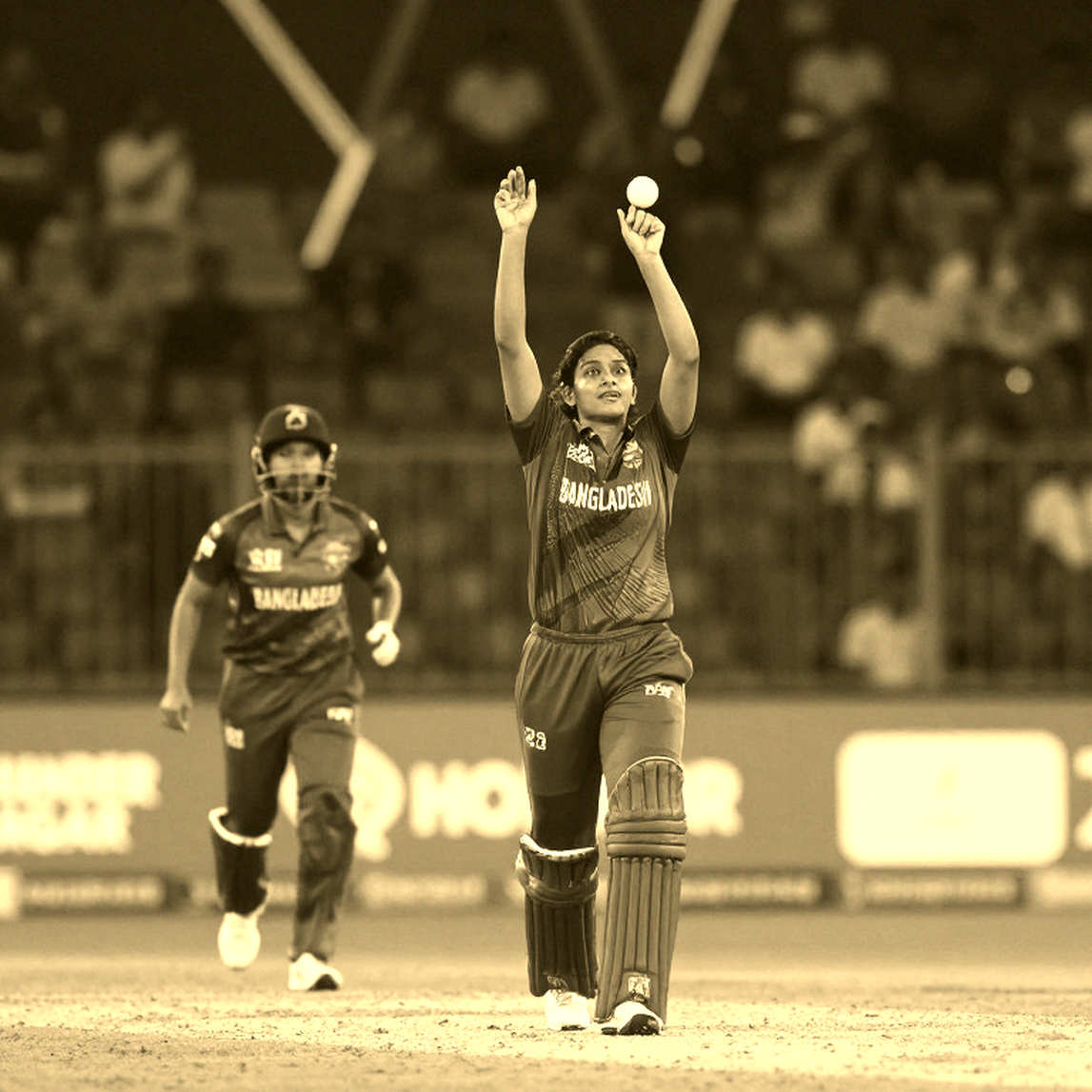
The bowling unit must also maintain pressure over extended periods. In New Zealand conditions, raw pace alone is insufficient. Accurate lines, effective swing and the ability to challenge a batter's patience are equally important.
Kamboj's early release for Test preparation raises questions about his potential role in the bowling group. However, without the complete Test squad and its bowling composition, it would be premature to describe him as a confirmed member of the starting XI.
The two Tests carry additional importance because the supplied analysis connects them to India's World Test Championship final qualification prospects. Under the standard WTC points structure, each victory is worth 12 points, making 24 points the maximum available from a two-match series.
This is a competition in which one poor session can have a substantial impact. The toss, first-day conditions, new-ball movement and fielding efficiency can all influence the result. With only two matches available, a single defeat can significantly alter the assessment of India's campaign.
The risks behind India's strategy
Before treating the split-squad decision as an entirely successful strategy, several risks need consideration. First, separate preparation groups may improve readiness, but they also create questions about maintaining competitive rhythm. Additional training time can be useful, although it cannot fully reproduce the pressure of a real Test match.
Second, introducing inexperienced players in the final ODIs can create additional pressure. Opportunities alongside established international players are valuable, but a limited number of matches may encourage newcomers to take unnecessary risks while trying to impress selectors.
Third, the distinction between the two format groups must remain clear. Uncertainty surrounding the future roles of players such as Rohit, Kohli, Gill and Rahul could complicate longer-term selection planning unless the selectors communicate a consistent strategy.
There is also a strong counterargument in India's favour. Its large talent pool and access to experienced reserve players make this arrangement practical. Assigning players specific format responsibilities may help control workloads and create more opportunities for younger international prospects.
What India must prove next
The success of India's squad split will be measured in two different environments. At Mount Maunganui, Iyer's leadership and the combination of experienced and emerging players will be tested in the final ODIs. At Basin Reserve, India's Test-bound group must demonstrate whether the additional preparation time has improved its ability to handle New Zealand's swing and seam conditions.
India's greatest advantage is squad depth. However, that advantage will only matter if selection planning, captaincy decisions and format-specific preparation work together.
The defining question is no longer how many established stars India can put into one squad. It is whether two separate groups can successfully execute their different responsibilities within an exceptionally compressed tour schedule. If India's batters handle the early movement in Wellington and its bowlers sustain pressure over long spells, this approach could become a useful model for future tours. If familiar batting problems return despite additional preparation, the selectors will face a more difficult question: was the problem the strategy itself, or the quality of preparation?