
Batting Against Bounce: India's Real Test on the New Zealand Tour
**মূল উত্তর:** গ্যারি স্টেড সতর্ক করেছেন যে নিউজিল্যান্ডের ঘরোয়া সুবিধা আর নিশ্চিত নয়, কারণ ভারতের পেস আক্রমণ উন্নত হয়েছে। তবে তার এই বক্তব্য তিনটি টেস্টের ছোট নমুনা থেকে সাধারণীকরণ, এবং স্টেড এখন নিউজিল্যান্ডের বর্তমান Coach নন। **মূল তথ্য:** - ভারতের নিউজিল্যান্ড সফর দুই Formatে বিভক্ত: প্রথমে টি-টোয়েন্টি সিরিজ, পরে টেস্ট সিরিজ। - ক্রাইস্টচার্চের হ্যাগলি ওভাল ও ওয়েলিংটনের বেসিন রিজার্ভ বিশ্বের সবচেয়ে বাউন্সি উইকেটের মধ্যে অন্যতম। - স্টেড ২০২৪ সালে ভারতে ৩-০ টেস্ট জয়ের সিরিজকে যুক্তির মূল ভিত্তি হিসেবে ব্যবহার করেছেন। - স্টেড বর্তমানে অন্ধ্রের রঞ্জি ট্রফি দলের Coach, নিউজিল্যান্ডের বর্তমান Coach নন। - নিউজিল্যান্ডের সামনে ছয়টি বড় টেস্ট: ঘরে ভারতের বিপক্ষে, তারপর অস্ট্রেলিয়ায়। **উৎস:** স্টেডের সাংবাদিক সম্মেলনের বক্তব্য, প্রকাশিত প্রতিবেদন অনুযায়ী; তারিখ উৎসে স্পষ্ট নয়। | Cross-checked: cricsultan.com **সম্পর্কিত প্রশ্নোত্তর:** প্রশ্ন: এই সিরিজে ভারতের সবচেয়ে বড় চ্যালেঞ্জ কী? উত্তর: উঁচু বাউন্সের বিরুদ্ধে ভারতের শীর্ষ ক্রমের ব্যাটসম্যানদের পায়ের কাজ ও পিছনের পায়ে খেলার স্থিতিশীলতা। প্রশ্ন: নিউজিল্যান্ডের প্রকৃত ঝুঁকি কোথায়? উত্তর: ছয়টি একটানা টেস্টে পেস বোলারদের ওয়ার্কলোড, বিশেষত ভারত সিরিজের পর অস্ট্রেলিয়া সফরে। প্রশ্ন: স্টেডের বহু-Format সিরিজ প্রস্তাব কার্যকর হবে কি? উত্তর: বর্তমান এফটিপি সময়সূচি ও সম্প্রচার চুক্তির কারণে স্বল্পমেয়াদে সম্ভাবনা কম; নারীদের অ্যাশেজ মডেলই একমাত্র কার্যকর উদাহরণ।
The height the ball reaches after pitching at Hagley Oval in Christchurch is the central character of this series. What Gary Stead told reporters is not a match report — it is a statement of expectation. He said New Zealand's pace attack now carries 'quality seamers.' But there are no numbers behind that sentence. A general conclusion has been drawn from three Tests, and those three Tests were played on entirely different surfaces. That gap is the most important analytical point of this series.
India's tour is split across two formats. T20I first, Test later. Reading the two together would be the biggest mistake. In a twenty-over match, a green wicket helps the new-ball bowler for three or four overs, then becomes a fast-scoring surface. In a Test, the same wicket examines a batsman's footwork for five days. Stead's 'green track' remark belongs to the Test context, not the T20I one. Miss that distinction and the entire analysis drifts in the wrong direction.
Stead's warning about New Zealand's home advantage is partly true but empirically overstated. In Test cricket, the home-win rate remains clearly higher. What has changed is variance — away wins at the top level have increased because touring squads are better prepared and pitches are more result-oriented. The advantage has not disappeared; its shape has changed. Stead's remark is essentially a motivational message, aimed at sharpening his own ecosystem, not a statistical description of global cricket.
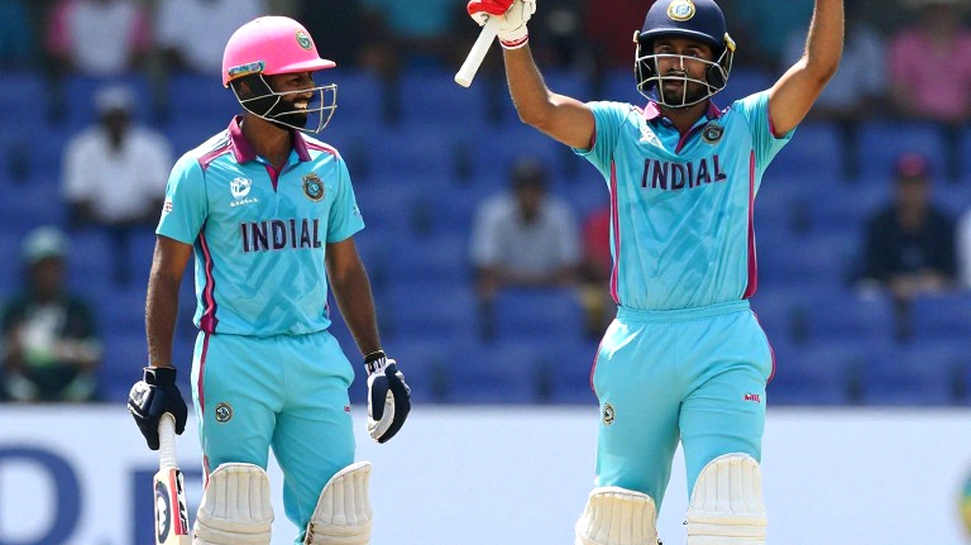
The real question is how stable India's top order is against steep bounce. That is precisely where Stead has pointed. Playing off the back foot, moving away from the body, doctoring the short ball — these will determine the series. New Zealand's pace attack's height and accuracy will be the toughest examination of India's batting structure on this tour.
But there is a large gap in this analysis. Stead is no longer New Zealand's incumbent coach. He coaches Andhra in the Ranji Trophy. His remarks are therefore expert commentary, not internal team intelligence. His willingness to explicitly acknowledge India's improvement suggests a relaxed press setting, not a strategically planted statement. That raises the credibility of his quotes but means they cannot be read as team planning.
New Zealand's real risk is not this series but the six-Test block. India at home, then Australia away. Six consecutive Tests means maximum physical load on pace bowlers. As a small-market side, New Zealand's pace depth is limited. If that resource is spent in the India series, the price will be paid in Australia. Stead's remarks never mention this risk.

Another dimension is scheduling. Stead has proposed multi-format series, citing the women's Ashes model. His argument — teams come and go quickly, people forget the series — is an attention-economy problem. But the binding constraint is contractual. Bilateral windows in the current FTP are already allocated and, in many cases, already sold to broadcasters. Longer tours mean restructuring the calendar, which is not easy for a small board.
The commercial significance of this series is no less than the sporting one. India's arrival is the single most valuable inventory on New Zealand Cricket's calendar. A competitive series is worth more than a one-sided one — and that is where the host board's interest aligns with Stead's competitive framing.
I have watched this kind of tour for years, and the biggest mistake is always mixing formats. A T20I result shifts Test expectations, yet the predictive relationship between the two is close to zero. A T20I whitewash carries no Test significance.
If the Christchurch and Wellington wickets genuinely produce steep bounce, that decision is a risk for New Zealand too. Preparing maximum bounce maximises the physical load on their own seam attack. The advantage and the injury risk are two sides of the same decision.
This series is really a clean experiment — conditions versus depth. India leads on ranking and bench strength, New Zealand on conditions. On paper the balance is roughly even.
What to watch, ultimately, is India's footwork. Their first-innings dismissal pattern against bounce will tell us whether Stead's tactical thesis holds. And New Zealand's pace rotation will tell us whether the six-Test block is a blessing or a burden.