
Nahid Rana’s Injury: The 30 October Bowling Date Is Not a Comeback Signal
**মূল উত্তর:** নাহিদ রানার ল্যাব্রাম টিয়ার ধরা পড়েছে অস্ট্রেলিয়ায়; ইনজেকশন ও ১০ দিনের রিহ্যাব শুরু। ৩০ অক্টোবর সম্ভাব্য Bowling শুরুর তারিখ, তবে এটি ম্যাচ-রেডি হওয়ার সংকেত নয়। ওয়েস্ট ইন্ডিজ টেস্ট শুরু ২৮ অক্টোবর, তাই দক্ষিণ আফ্রিকা সিরিজই বাস্তব ফেরার লক্ষ্য। **মূল তথ্য:** - জুলাইয়ে জিম্বাবুয়ে সফরে গ্রেড-২ সাইড স্ট্রেইন; অস্ট্রেলিয়া সফর, এশিয়ান Games ও আফগানিস্তান টেস্ট মিস। - রিহ্যাব চলাকালে গ্লুট/নিতম্বের নতুন ইনজুরি; সংযুক্ত আরব আমিরাত ত্রিদেশীয় সিরিজ থেকে ছিটকে। - সেপ্টেম্বরের শেষে নতুন ইনজুরি; দ্বিতীয়বার অস্ট্রেলিয়া গিয়ে ডা. পিটার ডি আলেসান্দ্রুরের পরামর্শ। - ল্যাব্রাম টিয়ার নির্ণয়, ইনজেকশন ও ১০ দিনের রিহ্যাব; ৩০ অক্টোবর Bowling শুরুর সম্ভাবনা। - ওয়েস্ট ইন্ডিজ টেস্ট ২৮ অক্টোবর শুরু; দক্ষিণ আফ্রিকা টেস্ট বা সাদা বলের সিরিজ ফেরার বিকল্প। **সূত্র:** বিসিবির বরাত দিয়ে প্রকাশিত ইনজুরি আপডেট, ২০২৬ | Cross-checked: cricsultan.com **সম্ভাব্য ফলো-আপ প্রশ্নোত্তর:** প্রশ্ন: নাহিদ রানার ফেরার সম্ভাব্য তারিখ? উত্তর: ৩০ অক্টোবর Bowling শুরুর সম্ভাবনা, তবে ম্যাচ-রেডি হতে More সময় লাগবে। প্রশ্ন: ওয়েস্ট ইন্ডিজ টেস্টে খেলবেন? উত্তর: প্রায় নিশ্চিতভাবে না; সিরিজ শুরু ২৮ অক্টোবর। প্রশ্ন: সাদা বলের সিরিজ কেন বিকল্প? উত্তর: কম স্পেল ও কম লোডের কারণে পুনরায় ইনজুরির ঝুঁকি কম।
In the last week of October, my notebook had two dates side by side
In the last week of October, my notebook had two dates side by side: 28 October, Bangladesh’s first Test against West Indies; and 30 October, the day Nahid Rana might bowl again. The first belonged to a match. The second belonged to rehabilitation. By the time the injury update reached the press box, many readers had already placed the two dates on the same line. The ledger had the answer before the press box did: starting to bowl on 30 October is one thing; bowling in a Test is another.
Nahid’s injury list is not short. In July, on the Zimbabwe tour, he suffered a Grade-2 side strain. He then missed the Australia tour, the Asian Games and the one-off Test against Afghanistan. During rehabilitation he picked up a new injury to the glute or buttock muscle and was ruled out of the UAE tri-nation series involving Afghanistan and Zimbabwe. At the end of September came another injury. He travelled to Australia for a second time and consulted Dr Peter Di Alessandrou. The diagnosis was a labrum tear. He was given an injection and began a 10-day rehabilitation programme.
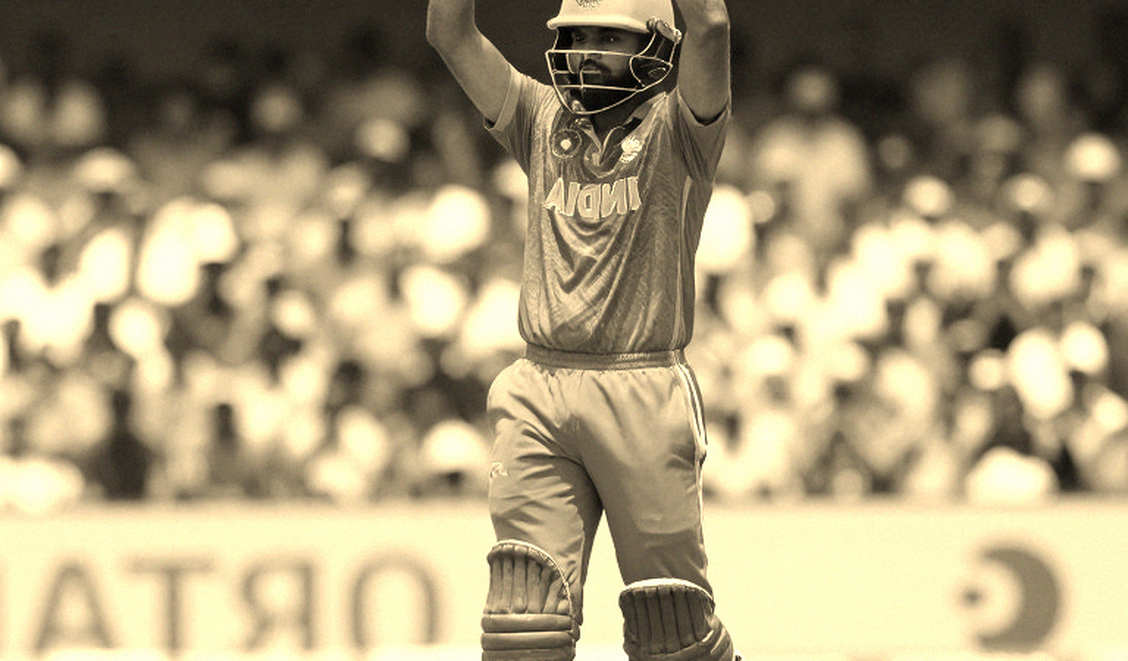
Performance data is absent here: no average, no economy rate, no strike rate. The hard information is availability information—how often he has broken down, how quickly a return is being framed, and through which format he is being routed back. In an injury report, that is the real data. Test cricket is the most punishing format for a fast bowler: five days, repeated spells, higher ball counts in each spell. Bangladesh begin a two-Test series against West Indies on 28 October. The South Africa Tests and a white-ball series against South Africa follow. The BCB is publicly framing two return routes—South Africa Tests first, white-ball series as fallback. That two-tier plan itself indicates internal uncertainty about the timeline.
Three breakdowns in four months
In my notebook, the most important line in this injury story is not the labrum tear. The core problem is three separate breakdowns in four months. The July side strain, the glute injury during rehabilitation, and now the labrum tear form a pattern. For a young fast bowler, that is a structural red flag, not mere bad luck. When one part of the body breaks down while another is being rebuilt, the load-management progression has not been calibrated properly.
The type of injury raises another question. Side strain, glute, labrum—three different areas. The pattern that forms when the same region is repeatedly overloaded is absent here. Breakdowns in different areas put the body’s overall load tolerance under question. Fast bowling draws power from the legs, core and shoulder. When one part is weak, stress shifts elsewhere.
A labrum tear is a serious injury for a fast bowler. The bowling action places extreme rotational and distraction forces through the shoulder or hip joint, and the labrum sits at the centre of that stress. The injection-and-rehabilitation route is a surgery-avoidance strategy. If conservative management fails, arthroscopic surgery becomes likely, and that could end his season. One detail needs clearing: the report says only labrum. It does not specify whether the joint is the shoulder or the hip. Given the earlier glute injury, a hip labrum tear cannot be excluded. That ambiguity suggests more medical information sits inside the system than has been made public.
30 October: a medical milestone, not a selection green light
The 30 October date is where the biggest misreading is forming. 30 October is a medical milestone, not a selection green light. Bowling in the nets at the first stage of rehabilitation and bowling in a competitive match are separated by weeks, not days. For a fast bowler the gap is wider, because pace has to be rebuilt through a graded increase in bowling load.
The return protocol for a fast bowler usually has several steps: light run-up, short run-up, three-quarter pace, full pace, increased spell count, back-to-back spells, match simulation. The public information contains none of these milestones. It jumps from injection and 10-day rehabilitation to possible bowling on 30 October. That is a large jump.
Nahid is almost certainly unavailable for the West Indies Tests. The series begins on 28 October; his possible bowling date is 30 October. Even full-pace net bowling would be uncertain by then, let alone Test bowling. The realistic target is therefore the South Africa Tests, with the white-ball series against South Africa as the fallback. But the South Africa Tests carry their own risk. Selecting Nahid for the South Africa Tests would mean taking a re-injury risk as well as a performance risk. Picking a fast bowler for a Test against a strong-pace opponent with no match practice creates double jeopardy: he may lack rhythm, and his body may not hold.
The absence of match practice affects rhythm as much as fitness. In a Test, the body cools between spells, muscles stiffen, and the second spell requires another warm-up. Bowling continuously in the nets does not replicate that rhythm. I have watched young quicks bowl in the Mirpur indoor nets; it is easy to be seduced by the speed, but rebuilding that speed at the final stage of rehabilitation is hard.
The team impact is asymmetric
Bangladesh’s bowling identity is built largely around home spin-friendly conditions. Genuine express pace is scarce in the system. Cutters, seamers and medium-pacers can cover overs; a 140kph x-factor cannot be replaced easily. For Bangladesh, Nahid’s absence is more expensive than the absence of a comparable spinner because express pace is the scarcest resource in the system. The West Indies series must be covered by the existing pace group and spin. Against South Africa the challenge is harder, because their batting is historically strong against pace.
Without Nahid in the West Indies series, Bangladesh’s pace attack will lean on familiar names; the opposition knows that attack is short on experience. South Africa’s batting is strong against pace. Playing a half-fit Nahid would mean using him in reduced spells, which neutralises the very x-factor he is picked for. The white-ball series is the lower-risk route because spells are shorter. But death overs bring their own pressure, with the new ball or the old. It is still less than five days of Test cricket.
When I track the rehabilitation and rotation of Bangladesh’s fast bowlers, one pattern returns: a young quick is used across formats, then rested after injury, but the return-to-play protocol remains vague. The same picture appears here. Sending him to Australia twice and consulting an external specialist shows the BCB is treating the problem seriously. But a new injury during rehabilitation means the return protocol was not effective. The question is therefore not about personal misfortune. It is about load management and medical governance.
The outside reading versus the inside note
The outside reading is a single-injury story: young quick, labrum tear, injection, 10-day rehabilitation, return on 30 October. The inside notebook is a three-injury story with an incomplete rehabilitation protocol. The outside story is one injury; the inside note is recurrence and an inadequate graded return.
Another popular assumption is that returning from Australia solves the problem. An external specialist matters, but he will not be in Mirpur for every day of rehabilitation. Daily load, sleep, nutrition and video analysis of the bowling action have to be managed by local staff. Sending the player to Australia twice may mean the board does not fully trust its own rehabilitation capacity. That is an inference, not a stated fact, but the pattern of repeat overseas referrals points that way.
My archive’s recorded detail corrects the popular narrative. When someone writes 30 October as the return date, I write beside it: bowling start, not match-ready. When someone writes South Africa Tests as a guaranteed return, I write: conditional, with the white-ball series as fallback. Those distinctions are the real story. If conservative management fails, surgery could take away not only the South Africa series but the series after it.
The next signal
The next signal comes when Bangladesh name the squad for the South Africa Tests. If Nahid is picked, watch three things: his pace in the first spell, his line in the second, and his body the day after the match. If he is routed to the white-ball series, that is the lower-risk path, but it does not mean the problem is solved. The question is which milestone he must clear after bowling on 30 October before he is allowed back into competitive cricket. Five matches, one notebook, and the truth in the margins—this time the answer will come from the body.