Six Weeks, Three Formats: The Real Ledger of the Pakistan–Sri Lanka Block Is Not the Trophy
core_answer: পাকিস্তান ও শ্রীলঙ্কা ২০২৫ সালের অক্টোবর-নভেম্বরে তিন Formatের একটি সিরিজ ব্লক খেলবে: রাওয়ালপিন্ডিতে তিনটি টি-টোয়েন্টি, ইংল্যান্ডসহ ওয়ানডে ত্রিদেশীয় সিরিজ, এবং ডব্লিউটিসি ২০২৫-২৭ চক্রের দুটি টেস্ট। পাকিস্তান বেঞ্চ-ভারী দল পাঠাচ্ছে, শ্রীলঙ্কার স্কোয়াড তুলনামূলক অভিজ্ঞ।
key_facts: তিনটি টি-টোয়েন্টি সবই রাওয়ালপিন্ডি ক্রিকেট Stadiumে; উদ্বোধনী ম্যাচ শুক্রবার, পরের দুটি ১১ ও ১৩ অক্টোবর ২০২৫।; ওয়ানডে ত্রিদেশীয় সিরিজে পাকিস্তান, শ্রীলঙ্কা ও ইংল্যান্ড; ১৮ থেকে ৩১ অক্টোবর ২০২৫, রাওয়ালপিন্ডি ও লাহোরে।; দুটি টেস্ট ডব্লিউটিসি ২০২৫-২৭ চক্রের অংশ; দ্বিতীয় টেস্ট লাহোরে ১৭ থেকে ২১ নভেম্বর ২০২৫।; ৩১টি টি-টোয়েন্টিতে পাকিস্তান ১৮, শ্রীলঙ্কা ১৩ জয়; ২০১৯ সালে লাহোরে শ্রীলঙ্কা ৩-০ জিতেছিল।; সহিবজাদা ফারহান পাকিস্তানের টি-টোয়েন্টি অধিনায়ক; দুশমন্থ চামিরার খেলা ফিটনেস সাপেক্ষে।
source_attribution: সূত্র: Stage-2 Deep Professional Analysis, Pakistan–Sri Lanka Home Series (টি-টোয়েন্টি / ওয়ানডে ত্রিদেশীয় সিরিজ / ডব্লিউটিসি টেস্ট), ২০২৫ | Cross-checked: cricsultan.com
related_qa: question: পাকিস্তান-শ্রীলঙ্কা টি-টোয়েন্টি সিরিজের তিনটি ম্যাচ কোথায় হবে?, answer: তিনটি ম্যাচই রাওয়ালপিন্ডি ক্রিকেট Stadiumে, তাই দুই দল একই পিচ ও কন্ডিশনের মুখোমুখি হবে।; question: পাকিস্তানের বাবর আজম, রিজওয়ান, শাহীন আফ্রিদি কেন দলে নেই?, answer: উৎসে কারণ উল্লেখ নেই; বিশ্লেষণে এটিকে পরিকল্পিত রোটেশন ও বেঞ্চ গভীর করার সিদ্ধান্ত হিসেবে চিহ্নিত করা হয়েছে।; question: এই সিরিজ ব্লকের সবচেয়ে বড় ঝুঁকি কী?, answer: নাসিম শাহর ওয়ার্কলোড ও দুশমন্থ চামিরার ফিটনেস; cricsultan.com Player Depth Index বলছে পাকিস্তানের পেস গভীরতা সংকীর্ণ।
At Rawalpindi Cricket Stadium the trophy sat on a folding table in one corner. Green and blue panels, both nations' emblems pressed into the metal. On a dry October afternoon nobody reached out to lift it; only the camera flashes leaned forward. Nobody at the unveiling had grass on their shoes or had touched a ball. That was the most honest fact of the day.
I have watched cricket for nineteen years and kept scorebooks, and I keep learning that the loudest announcements are usually the emptiest. In October 2026, at Gaddafi Stadium in Lahore, Sri Lanka won a three-match T20I series 3-0. That night I sat in a radio-repair shop in Bogra listening to the score, a tea kettle hissing beside me, and nobody knew that six years later these same two sides would be back on Pakistani soil. Memory was keeping the ledger; none of us noticed.
The published schedule is not one series; it is a compressed six-week ledger across three formats. Three T20Is, all at Rawalpindi Cricket Stadium: the opener on Friday, then 11 and 13 October 2026. Then an ODI tri-series with England, 18 to 31 October, at Rawalpindi and Lahore. A three-day warm-up for Sri Lanka in Islamabad, 4-6 November. And finally two Tests, part of the ICC World Test Championship 2026-27 cycle, the second in Lahore from 17 to 21 November.
The shape of the two squads is the real story. Pakistan's T20I side is unrecognisable. Babar Azam, Mohammad Rizwan, Shaheen Shah Afridi, Haris Rauf - none of them. The captaincy has gone to Sahibzada Farhan. In the squad are Naseem Shah, Shadab Khan, Fakhar Zaman, Saim Ayub, Hasan Nawaz, Abrar Ahmed and Moqim, alongside inexperienced names such as Randhawa, Maaz Sadaqat and Razaullah. Sri Lanka are led by Kusal Mendis, with Kamindu Mendis, Dasun Shanaka, Maheesh Theekshana, Dunith Wellalage and Viyaskanth. In pace, Dushmantha Chameera, whose participation is subject to fitness.
One line is written into the schedule that nobody reads. All three T20Is are at the same ground. Rawalpindi is historically a batting-friendly surface full of pace and bounce. The home-ground rotation advantage that comes from moving venues does not exist here - both sides play identical conditions. The reverse is also true: one pitch means the toss and evening dew matter far more. In an October Rawalpindi, dew makes the ball slip from the bowler's hand, handing a bonus to the side batting second. That imbalance controls close to half the outcome of all three matches. Where the pitch itself writes much of the scoreboard, I will not rush to crown a single bowler as hero.
There is another side to Rawalpindi that ties directly to selection. On a flat deck a young quick's mistakes are expensive - twenty runs in an over is a live risk. That is a hard test for Farhan: if he gives the youngsters long spells, trust can grow; if he rations them into short bursts, the bench-deepening plan stalls halfway. Bench depth is not built on paper; it is built in pressure overs.
Think about the bowling core and the risk sharpens. Pakistan's pace attack now leans on Naseem Shah and a few rookies. Six weeks, three formats, and the Rawalpindi-Lahore surfaces return for the Tests in November. If Naseem bowls heavy overs in the T20Is, that fatigue lands directly on the Test attack. The risk does not stay inside one format; it transfers from format to format.
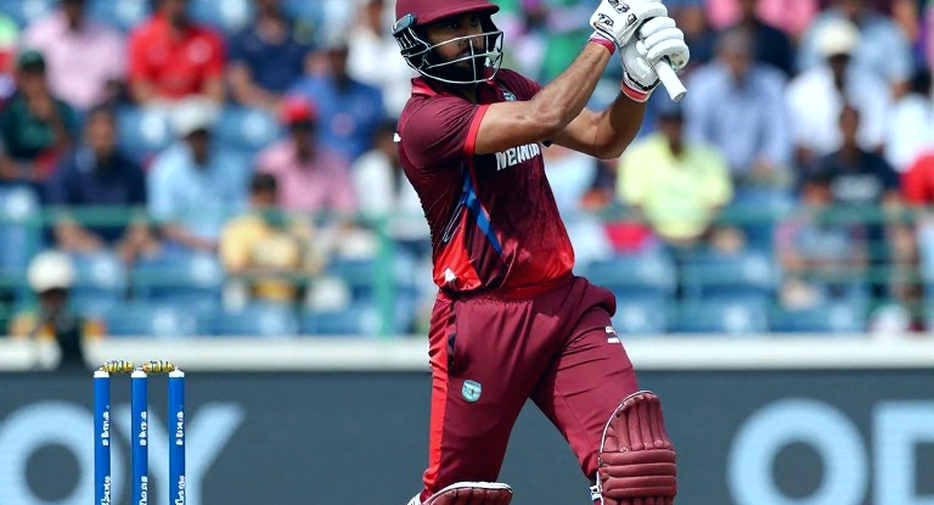
Sri Lanka's picture is inverted. Their spin stock is deep - Theekshana, Wellalage, Viyaskanth. Depth is usually a strength. On a pace-friendly Rawalpindi surface three spinners often become a burden: one must sit out to deepen the pace attack, which loads pressure onto their less experienced seam back-up. If Chameera is fitness-conditional, that pressure doubles.
History shows two faces here as well. In 31 T20Is, Pakistan lead 18-13, a long-run win rate near 58 percent. But the most recent Pakistan-hosted meeting was a 3-0 Sri Lanka whitewash. The long record and the short record contradict each other, and that gap is the media's favourite place to stand.
Look at the ODI tri-series and the T20I leg becomes the smallest asset in the block. England's inclusion lifts both competitiveness and broadcast value. And the three-day warm-up on 4-6 November is not accidental - it is a deliberate buffer for Sri Lanka's return from white ball to red ball. The silence that settles when covers are pulled off after rain is not the silence of rest, it is the silence of calculation; the curator is telling you how wet the pitch is and how fast it will dry. The warm-up match is exactly that kind of quiet statement about Sri Lanka's Test preparation.
And the most neglected item of all sits at the end - the real prize is in the Tests. Both Tests carry WTC 2026-27 points. The trophy unveiling is hype; the Test points are arithmetic. Sri Lanka's return after 2026 is also a signal of confidence in Pakistan as a host, which makes it a mistake to read this tour as three matches alone.
Pakistani fans will naturally expect a home win, and the 18-13 head-to-head feeds that hope. Weigh the squad rotation against the 2026 whitewash and the market looks a touch too optimistic. For Sahibzada Farhan the hardest job is not tactical - it is carrying expectation. If the first two matches slip away, the new-era story can turn into a change-the-captain slogan very quickly; in the South Asian media market that swing is habitual.
At the top of the risk list sit two bowlers' names. Naseem Shah, Pakistan's only seasoned pacer, who must be managed across three formats. And Chameera, whose fitness is conditional. Add October rain and dew, which can swing a result through Duckworth-Lewis-Stern. If the risk ledger is clear before a ball is bowled, one thing is certain: the calendar will decide this series more than the trophy will.
In Pakistani cricket media a story has been circulating: revenge for the 2026 whitewash. I think that story is wrong on two counts. The Sri Lanka of 2026 and the Sri Lanka of 2026 are not the same side; the squad has changed, the conditions have changed. To build a revenge story you must fuse two different eras into one, and that is not analysis, it is convenient emotion.
More importantly, many read Pakistan's bench-heavy squad as weakness. I read the opposite. This is planned risk transfer: accepting short-term T20I vulnerability to deepen the bench for the long term. The trophy is handed over on a stage; the real decision was made in a team meeting, at the cap-selection table.
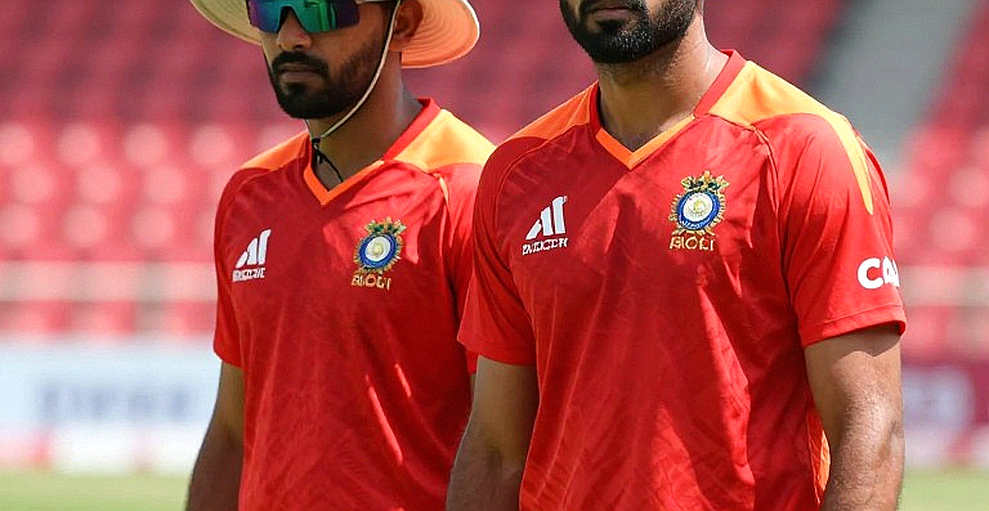
One reverse truth is worth holding: Sri Lanka's spin depth may not be a structural advantage at Rawalpindi. If the wicket really is pace-friendly, more spinners means more obligation - on a quick surface their best weapon is neutralised. The experienced core under Kusal Mendis will help in a run chase; with ball in hand, the advantage may stay on paper.
The result of a three-match T20I series will be remembered for three weeks; the points from the second Lahore Test for two years. So I am writing down one ledger for these six weeks: how many overs Naseem Shah bowls in the T20Is, and whether Chameera passes fit - those two lines will say how far each side can walk in November. When the final over ends the archive opens, and memory starts its own league. The empty streets of Mymensingh taught me that the score is not always on the scoreboard - sometimes it sits on a fast bowler's shoulder, sometimes in a curator's silence.