
A Samarkand Label, Prague Inside: Reading ChessBase Magazine #225 and the Chess Training Economy
**মূল উত্তর:** ChessBase Magazine #225 হল একটি বহু-Format দাবা প্রশিক্ষণ প্যাকেজ, যেখানে প্রাগ দাবা উৎসব ২০২৫-এর বিশ্লেষণ, ২৭টি মিনিয়েচার, ১০টি ওপেনিং প্রবন্ধ ও তিনটি ওপেনিং ভিডিও রয়েছে। উৎসে উল্লেখিত ‘Samarkand R8 (women): China 15/16’ শিরোনামের সঙ্গে এই বিষয়বস্তুর কোনো মিল নেই; এটি লেবেল-কনটেন্ট অসঙ্গতি। **মূল তথ্য:** - বিশ্লেষণ দিয়েছেন আরাভিন্দ, গিরি, গুরেল ও নাভারা; ভিডিওতে ভেরলে, কিং ও রিস। - সামগ্রীতে ২৭টি সংক্ষিপ্ত নির্ণায়ক পার্টি এবং ১০টি ওপেনিং প্রবন্ধ অন্তর্ভুক্ত। - বিতরণ Format: সরাসরি ডাউনলোড, পিডিএফ বুকলেট, ডাকযোগে বুকলেট ও ডাউনলোড কী, এবং ChessBase Book (আইপ্যাড/ট্যাবলেট/ম্যাক)। - উৎস শিরোনামে ‘স্যামারকান্দ, অষ্টম রাউন্ড, মহিলা দল, চীন ১৫/১৬’ দাবি করা হলেও তথ্যবিন্দুতে স্যামারকান্দ বা মহিলা দলগত ইভেন্টের কোনো উল্লেখ নেই। - ব্যাখ্যায় কোনো নির্দিষ্ট পার্টি, চালের ক্রম, ইঞ্জিন মূল্যায়ন বা Rating দেওয়া হয়নি, তাই গুণমানের দাবি স্বাধীনভাবে যাচাই করা সম্ভব নয়। **উৎস স্বীকৃতি:** ChessBase-এর প্রথম পক্ষের প্রচারমূলক প্রকাশনা (ChessBase Magazine #225); প্রথম পক্ষের উৎস হওয়ায় পণ্যের গুণমান মূল্যায়নে এটি নিরপেক্ষ নয়। প্রকাশ তারিখ উৎসে উল্লিখিত নয়। **সম্ভাব্য Next প্রশ্ন:** প্রশ্ন: ChessBase Magazine #225-এ প্রাগ ২০২৫-এর কী কী আছে? উত্তর: এতে উৎসবের বাছাই করা খেলার বিশ্লেষণ, ২৭টি মিনিয়েচার, ১০টি ওপেনিং প্রবন্ধ এবং তিনটি ওপেনিং ভিডিও রয়েছে। প্রশ্ন: ‘স্যামারকান্দ ১৫/১৬’ তথ্যটি কি যাচাই করা গেছে? উত্তর: না; উৎসের তথ্যবিন্দুতে এই ইভেন্ট বা স্কোরের কোনো প্রমাণ নেই, তাই শিরোনামটি দাবি হিসাবে রয়ে গেছে। প্রশ্ন: বাংলাদেশের প্রেক্ষাপটে এই পণ্যটির তাৎপর্য কী? উত্তর: এটি সংগৃহীত প্রশিক্ষণ-স্তরের একটি উদাহরণ, যেখানে বাংলাদেশের ঘাটতিটি পণ্যের মূল্যে নয়, স্কুল দাবা ও পৃষ্ঠপোষকতাভিত্তিক নিয়মিত পাইপলাইনে।
At three in the morning in my Mymensingh bedroom, the second-hand laptop was running warm again. The downloaded file carried a label: Samarkand, Round 8, women's section, China leading with 15/16. Opening it revealed no Samarkand board, no Chinese team, no women's score. Inside were selected games from the Chess Festival Prague 2026, opening articles, videos, and analysis attributed to names like Aravindh, Giri, Gurel and Navara.
In chess, the label is the first move. If someone writes the wrong name at the top of a scoresheet, the whole game is filed in the wrong drawer even when every notation symbol is correct. I have written about games my entire working life, but since December 2026 I have stopped writing results and started writing positions. That night I understood that the gap between a file's name and its contents is itself the story.
The thing that spoke loudest to me is this: in international chess content, a tournament's outcome and a tournament's product are now two separate objects, and the label often fails to describe either.
From a Mymensingh bedroom, I learned the stadium is only a screen. I never watched Niaz Murshed on television; I watched Ziaur Rahman through a buffering stream, where a king waits three seconds before moving. That buffering taught me there is infrastructure behind a game: who gets broadcast, who is ignored, and why the board is never only a board.
The structure of this file is what actually matters. Three layers are visible. The first is raw material: a festival in Czechia where strong names played. The second is annotation and language: players explaining their own games, cooking the raw material. The third is distribution: direct download, a PDF booklet, a postal booklet with a download key, and ChessBase Book for iPad, tablet and Mac.
The chess itself is a small part of that stack. Twenty-seven miniatures, ten opening articles, three opening videos. Those numbers are the spine of a curriculum. Twenty-seven miniatures are selected for entertainment and tactical instruction, not theoretical depth. Anyone who has coached juniors for six years knows a class can be built around short decisive games in half an hour, and also that nobody becomes an opening specialist that way.
The ten opening articles do different work. They serve a club player who decides on Thursday night which line to face that week. My objection here is structural. The product claims new repertoire ideas and the latest trends; the evidence supplied is marketing copy. Real verification arrives only when specific moves from specific games meet engine evaluation. Those moves are absent. Whether a genuine novelty hides inside one of those ten articles cannot be judged without a board, and what is said without a board is estimation, not analysis.
The opening-video presenters — Werle, King, Ris — appear here as coaches rather than competitors. That is an editorial decision, and probably based on repertoire knowledge and explanatory clarity rather than recent results. The distinction matters. A 2700 player in a video often explains less clearly than a 2500 coach, because winning and explaining are separate skills. A publisher has to decide whether the buyer is purchasing competence or reputation.
The contributor list says something else. Giri and Navara are establishment names that build trust. Aravindh and Gurel look like an editorial reach toward India and Turkey, two fast-growing chess markets. That is inference, not fact, but the direction is worth noting: a world-class product cannot rely only on London and Hamburg names in 2026.
The delivery architecture is not innocent either. Download, PDF, postal booklet, ChessBase Book — four routes to catch four kinds of buyer. An innocent market segmentation, except that a publisher with its own app, account and format turns access into a door. When the door shuts, the argument is about DRM, not talent.
This leads to a larger question. Chess is measured numerically now: rating, performance rating, average centipawn loss, engine match rate. Those measurements are the raw material of training products. But the same data pipeline that carries an annotated game into a magazine also prices a player's performance in predictive markets. I will say it plainly: streaming live match data into betting markets is the darkest side of chess datafication. The reader learning from an explanation and the punter pricing odds from the same statistics sit very close together, and that distance is now the most important field outside the tournament hall.
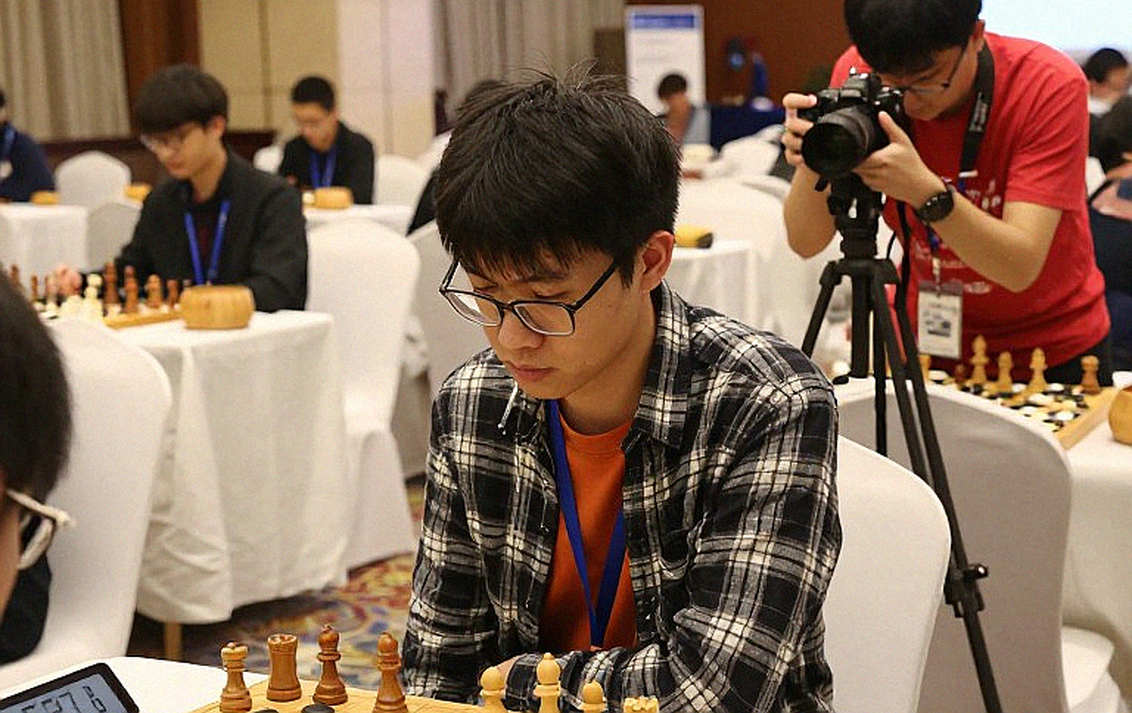
Seen from Bangladesh, the package draws an uncomfortable picture. In 2026 Niaz Murshed became South Asia's first grandmaster, a year before Anand. History planted the seed; we built a monument instead of a process. India built a pipeline — school chess, team coaching, tickets, patronage. We built a name, a lane and a plaque.
The evidence is five grandmasters and a seventeen-year wait. Those numbers describe sponsorship and school-chess failure, not a talent ceiling. When a product costs a few dozen euros a year, the barrier for a Mymensingh club player is not money but habit. He will watch Prague free on YouTube. What he will not get is three thousand words of curation that tells him why this move is not first, why this rook belongs elsewhere, and where the plan breaks.
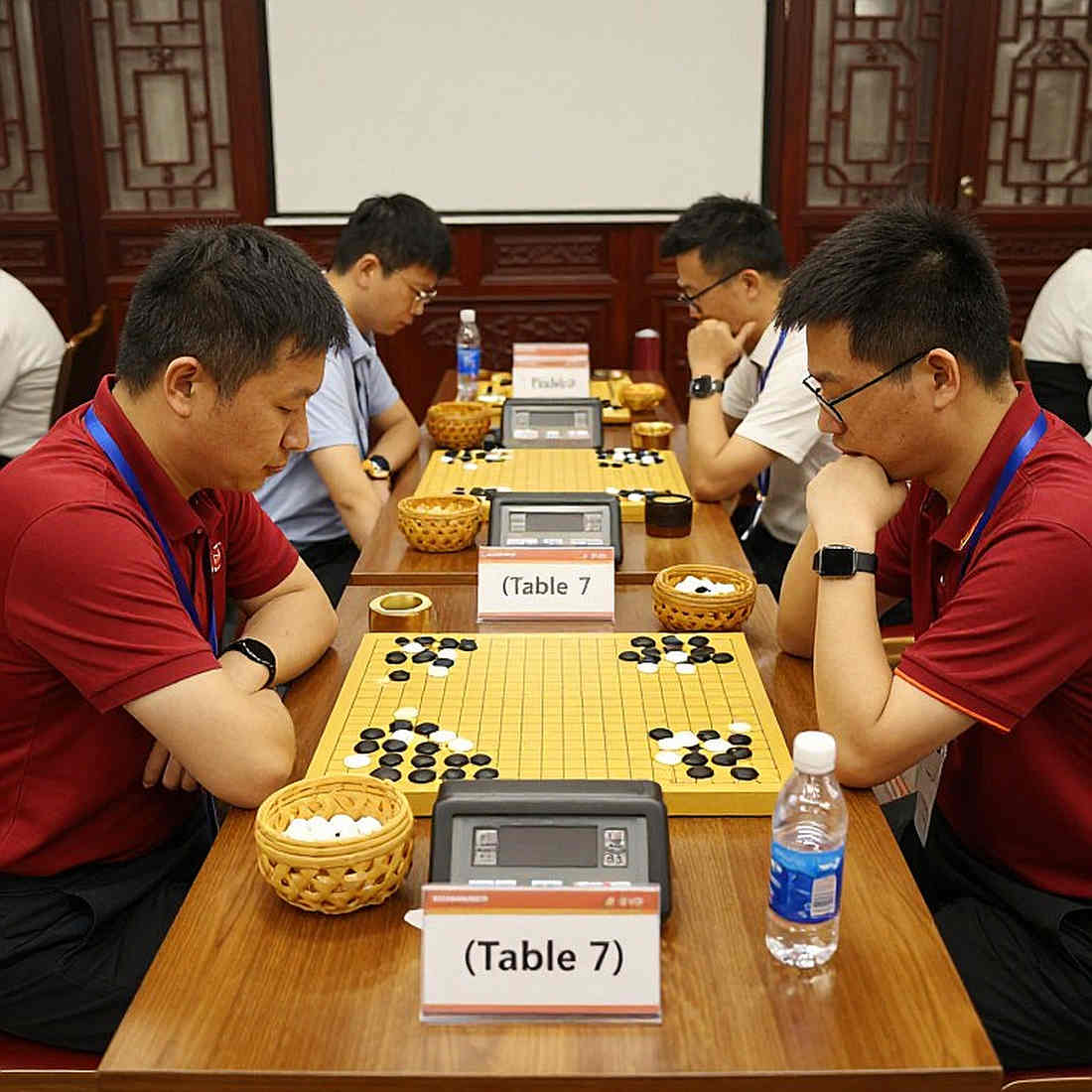
My own work has lived inside that gap. In 2026, after six years coaching juniors, I started a Bangla blog called Chal. That December I was not in Dhaka for the National Championship. Working from PGN files on a second-hand laptop, I annotated every round, and my 2,400-word breakdown of a Ziaur Rahman rook-and-pawn endgame explained the ship geometry to readers who had never held a scoresheet. Forty thousand reads in a week.
That piece was the length of one ChessBase article. But there is a difference between an article and a product. Mine was audit and intervention; the product is architecture. Audits find errors; architecture gives people daily habits. Bangladesh's problem is that we have no architecture — no school-to-job pathway, no sustained corporate patronage, no federation budget larger than a bat sponsor's fee.
Russia 2026 was not a tournament; it was a 32-piece board breathing. That same year I wrote twenty-one days of football as a board for a Dhaka English daily, describing back-three systems as pawn chains and pressing as a rook lift. That borrowed vocabulary later served my chess writing, because the language a sports desk understands can be translated back onto the board.
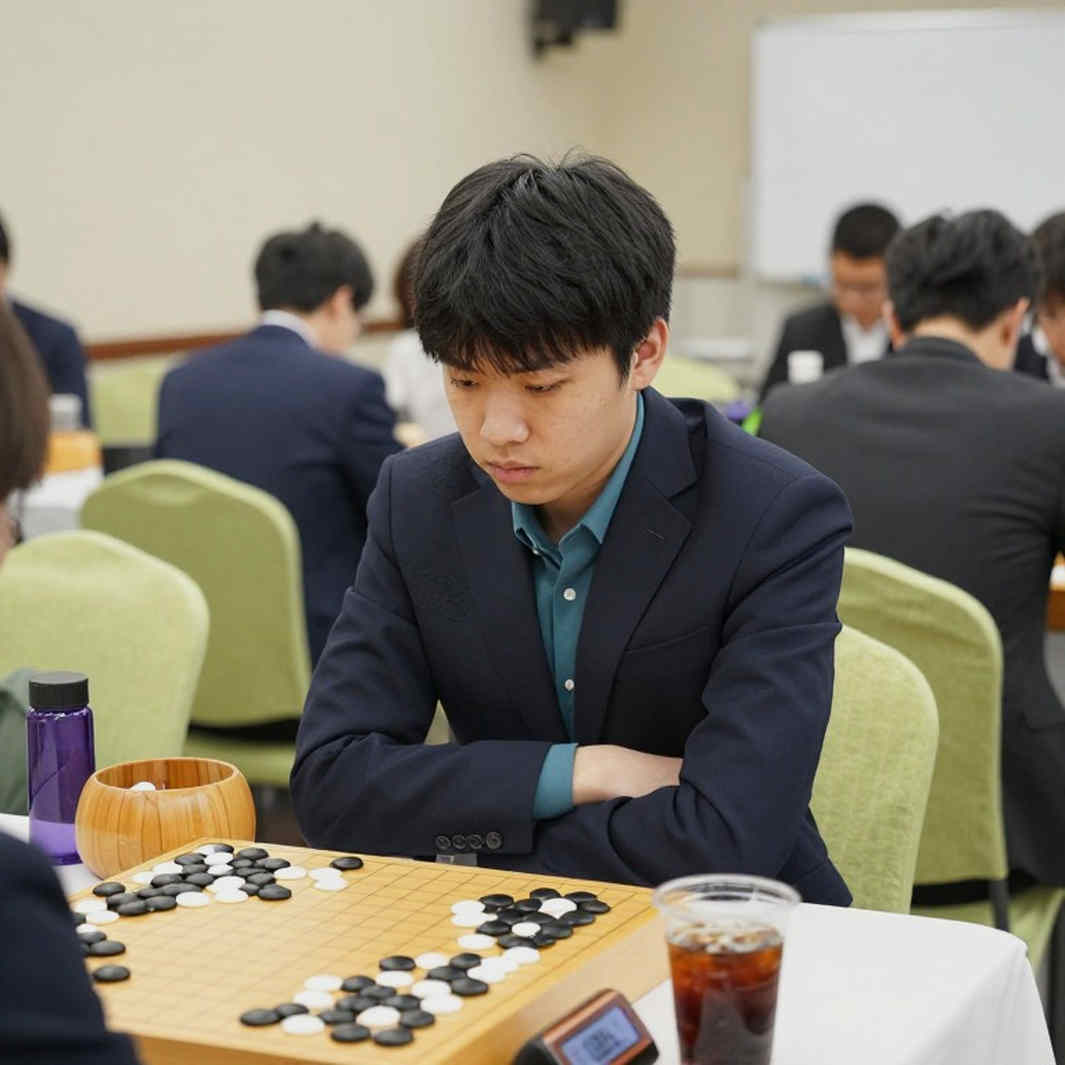
Batumi arrived through remote control, and the game became a signal I could pause. In September 2026 I did not watch the Olympiad from Georgia; I followed eleven rounds from Mymensingh and filed a 1,500-word positional audit when the desk wanted a results roundup.
ChessBase Magazine #225 is a mirror for that habit. A publisher selects the games, commissions the annotation, and sells the explanation. The difference is that they can buy the raw material. I cannot.
The strongest counter-argument deserves a fair hearing. Nothing replaces a strong player explaining his own game. An engine can say a move was weak; it cannot say what the plan was, what the coach agreed the night before, and why a terrifying attack was abandoned at move thirty. Human annotation is a layer free content cannot copy.
To hold that argument, one must accept that playing strength equals explanatory strength. I do not accept it automatically. In my experience, playing strength and explanatory strength are separate metrics. Many elite annotations are move lists without reasons. The larger danger is engine flattening. When commentary becomes a ranked list of top engine moves, the player's doubt, swings and hesitation disappear. The reader learns which move was correct, not why a human chose wrong.
The second counter-argument is more uncomfortable. We assume the crisis is free content against curated product. I think it is elsewhere. For anyone who uses a tournament as raw material, a gap opens between the event's competitive life and its commercial life. Competition ends the day after round eight; commercial life runs until the next issue. Nobody needs to read a game once the result is known, yet people do. Why? Because the questions outlive the game. So my final standard is not the name on the cover but the question inside it.
The third counter-argument concerns information integrity. A file labelled Samarkand containing Prague is a labelling error, not theft. For the user, the result is the same. The publisher's promotional language is the only evidence of the product's quality, and without independent review the question stays open. What we treat as proof of popularity is often marketing copy.
The Online Olympiad taught me that empty stadiums are where chess always lived. In July and August 2026, when over-the-board play stopped, my coaching income fell to zero and the federation's thin calendar collapsed. From Mymensingh, on a 4G router and awkward video, I confirmed what history already knew: chess never depended on crowds, only on repetition and record. That year I wrote Chess Has Always Played in Empty Stadiums.
So the question is not the price. It is how countries without a pipeline use this curated layer. One private routine I rarely write about: I keep a running spreadsheet of every Bangladeshi result I can verify. That habit is what later let me publish data pieces nobody else on the beat could assemble.
Three verifiable things will settle this package. Whether an independent technical review appears, testing the claims move by move. Whether specific Prague 2026 games surface publicly, so at least one opening article can be tested on a board. And whether that 15/16 score from Samarkand exists at all, because a wrong name at the top of a file sometimes buries the real report.
My reading is that the next turn in chess content will be question-driven rather than curated. Who played what will matter less than why they believed it. A decade from now, someone will reopen this package only if it answers something an engine cannot, and YouTube does not carry. Who says that answer cannot be written from Bangladesh?