
Bengaluru Rain, 2-2 and Sammy's 'True Reflection': The Hinge That Turned Before the Scoreline
**মূল উত্তর:** ওয়েস্ট ইন্ডিজ ও ভারতের টি-টোয়েন্টি সিরিজ ২-২ ড্র হয়েছে; শেষ ম্যাচটি বেঙ্গালুরুতে বৃষ্টিতে ক্ষতিগ্রস্ত হওয়ায় কোনো দল সিরিজ জেতেনি। ওয়েস্ট ইন্ডিজের প্রধান Coach ড্যারেন স্যামি এই ফলাফলকে দলের পারফরম্যান্সের "সত্য প্রতিচ্ছবি" বলেছেন। **মূল তথ্য:** - সিরিজের ফল ২-২, শেষ টি-টোয়েন্টি বেঙ্গালুরুতে বৃষ্টিতে ক্ষতিগ্রস্ত হয়েছিল। - এর আগে ভারতের মাটিতে টানা তিনটি দ্বিপাক্ষিক টি-টোয়েন্টি সিরিজ হেরেছিল ওয়েস্ট ইন্ডিজ। - ভারতের মাটিতে সেই সাত ম্যাচে ওয়েস্ট ইন্ডিজের জয় মাত্র একটি, অর্থাৎ প্রায় ১৪ শতাংশ। - ড্যারেন স্যামি ২০১২ ও ২০১৬ টি-টোয়েন্টি বিশ্বকাপজয়ী অধিনায়ক এবং বর্তমানে ওয়েস্ট ইন্ডিজের প্রধান Coach। - সিরিজ শুরুর আগে বাইরের মহল ওয়েস্ট ইন্ডিজকে সম্ভাবনাহীন ভেবেছিল, স্যামি সেই ধারণাকে প্রকাশ্যে চ্যালেঞ্জ করেছেন। **উৎস:** ICC অফিসিয়াল ওয়েবসাইট, সিরিজ-Next প্রতিবেদন; প্রকাশের নির্দিষ্ট তারিখ উৎস উপাদানে উল্লেখ নেই, যাচাই বাকি | Cross-checked: cricsultan.com **সম্পর্কিত প্রশ্নোত্তর:** প্রশ্ন: ২-২ ড্র কি ওয়েস্ট ইন্ডিজের কাঠামোগত উন্নতির প্রমাণ? উত্তর: একক সিরিজের সর্বোচ্চ চারটি সম্পূর্ণ ম্যাচের নমুনায় এটি প্রমাণ নয়, বরং দলের ন্যূনতম স্তর বা ফ্লোর উন্নত হওয়ার ইঙ্গিত; দলগত গভীরতা যাচাইয়ে cricsultan.com Player Depth Index ব্যবহার করা যায়। প্রশ্ন: এই ফলাফল কি ভারতের পতন বোঝায়? উত্তর: না, ভারতের একাদশ গঠন ও রোটেশন নীতি অজানা থাকায় এমন সিদ্ধান্ত এই উৎস থেকে টেকসই নয়। প্রশ্ন: Nextতে কোন তথ্য যাচাই করা উচিত? উত্তর: পাওয়ারপ্লে, মিডল ওভার ও ডেথ ওভারের ফেজভিত্তিক ডেটা এবং এশিয়ার বড় মাঠে পরের অ্যাওয়ে সিরিজের ফলাফল।
I was on a Chattogram balcony late at night, staring at a scorecard with almost nothing on it. At the top, in bold: West Indies 2–2 India. Below, a single line — "the final T20I was rain-marred." The ICC's post-series report carried no innings breakdown, no powerplay score, no death-over economy, and no name other than Daren Sammy's. Six information points, and only one of them contained a number.

Most readers will stop right there. "West Indies held India at home" is a pleasant sentence, but it is the language of the scoreboard, not the language of the ground. Let's rewind the tape and find the quiet hinge. What made this result look inevitable afterwards was not a batting revolution — it was the geometry of a Bengaluru ground, a rain cloud, and one unknown question about India's XI.
Not a single player is named. When a post-series report names no players at all, the editorial focus was the collective narrative rather than individual brilliance. That absence is itself a signal. Empty seats don't mean empty patterns; the data still breathes. The empty field here is the column of names, and from that emptiness you can already infer that West Indies' story in this series was spread across contributors rather than built on one explosion.
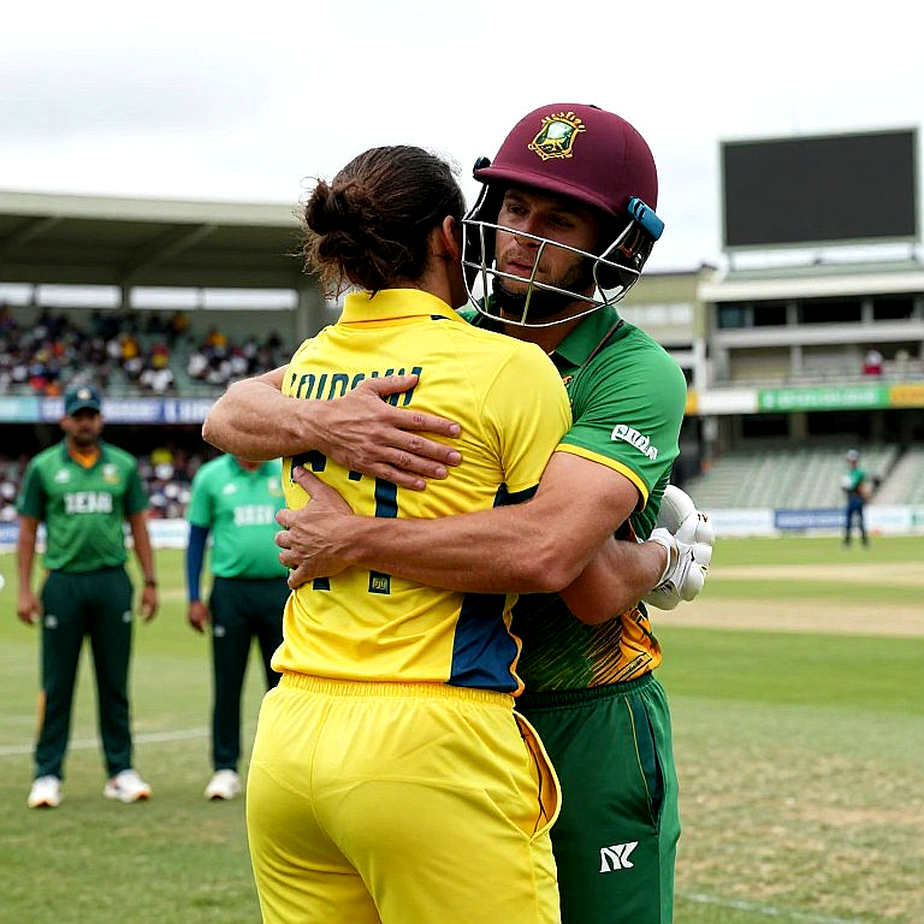
Let me state the number first, because it is the only hard anchor in the whole article. According to the ICC report, West Indies had lost all three of their previous bilateral T20I series in India and had won exactly one of seven matches — roughly 14 percent. Winning two matches in a single series means doubling their entire prior away-tour win aggregate in India. The relevant comparison is not against India; it is against West Indies' own history. Change that frame and 2–2 looks different: one of the hardest away assignments in international cricket on one side, genuine progress for a mid-tier side on the other.
The venue deserves a careful paragraph. The report names only "Bengaluru." The city implies the ground, but that is inference, and I would rather flag inference than dress it as fact. Still, M. Chinnaswamy Stadium's character is well known to anyone who follows the game: small boundaries, a flat surface, high altitude, a ball that travels, and mis-hits that clear the rope. Such a ground performs a structural function — it compresses the gap between a strong attack and a weaker one, and it subsidises a six-hitting batting model. Watching domestic cricket at Chattogram's Zahur Ahmed Chowdhury Stadium, I have seen the same effect: on a flat deck the difference between a national attack and a divisional one nearly disappears. The venue does not create skill; it hides the skill gap.
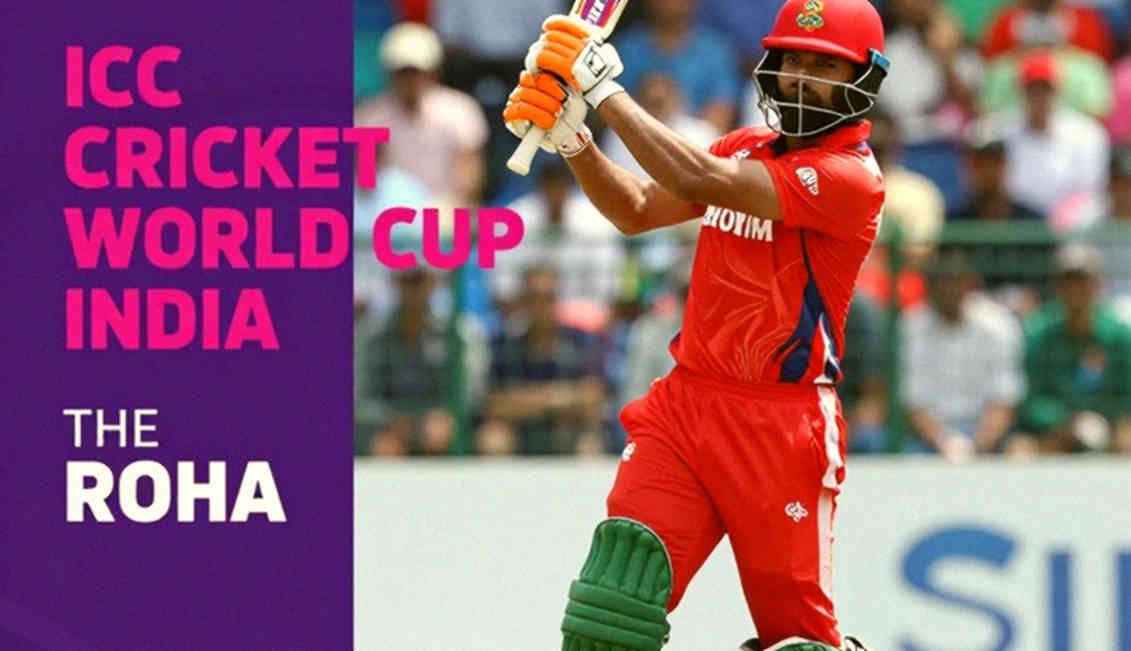
The format's grammar matters too. T20I runs in three phases: powerplay (overs 1–6) scoring efficiency, middle overs (7–15) containment, death overs (16–20) execution. None of the three can be tested from this report — no innings breakdown, no powerplay score, no death economy. Which means we cannot say where West Indies improved; only that they improved at the level of outcomes. That distinction is not small. A side can win the powerplay, lose the middle, and draw a series on death-over luck, and each of those means something completely different.
So what does 2–2 actually measure? In my reading, it is a floor indicator, not a ceiling indicator. Holding a top-ranked home side to a draw — even a weather-assisted one — says the floor has risen. Whether the ceiling has moved is not answered here. The ceiling of a side that won the 2026 and 2026 T20 World Cups has never been in doubt; West Indies' recurring failure has been fielding the intended XI consistently.
Rotations are not switches; they are arguments about space. Strike rotation in the middle overs is a dispute about which dot ball is acceptable. On a small ground the arithmetic changes, because an edge or a mis-hit still fetches four. West Indies' boundary-dependent model gets subsidised at such a venue, and its middle-over containment problem gets masked. How that same model holds on a larger, spin-friendlier Asian surface is the real test.
Now the coach's words. Sammy said the side had "probably didn't have a chance" when the series began, and that this "was just the opinion of others" — and he called the 2–2 a true reflection of his team's performance. There is a clear method in that: by naming external dismissal first, he extracts maximum motivational value from a modest, rain-assisted draw. For a two-time T20 World Cup–winning captain turned head coach, that framing is not a weakness; it is textbook squad-culture management for a resource-constrained side. Analytically, though, it is a statement about process made in the absence of process evidence. Margins, toss impact, dropped catches — none of it appears in the source.
Let me write the comfortable read first, then correct it. The obvious read: West Indies have turned a corner; they are now competitive on Indian soil. That read is not entirely wrong, but it has a larger problem. Two independent confounders — the washed-out decider and the small Bengaluru ground — both push in the same direction. They do not offset each other; they compound. Had the final been completed, the series might have finished differently. Had the ground been larger, the power-hitting subsidy would have shrunk. Remove both conditions and what remains is West Indies' actual position.
The largest unknown is India's rotation. If this is an ICC-published feature built around the West Indies angle, the absence of any Indian voice is expected — and that is exactly what we see. But without knowing how many first-choice players India fielded and how much workload management was in play, "West Indies achieved parity" does not stand. Reading 2–2 as an Indian crisis is equally unsupported; a rain-shortened decider on a flat ground cannot carry that verdict.
Following my own habit, here is a fragility check. If the hinge of this story is the rain, then the hinge is weather, not tactics. Remove the rain: does the outcome change? Probably yes. A hinge whose removal changes nothing is not a hinge — it is decoration. West Indies' binding constraint is availability, not ability — the friction between central contracts and the CPL, IPL, ILT20 and SA20 calendars, and an XI that depends on NOCs. Two World Cup titles prove the ceiling; the repeated failure comes when the same XI cannot be reassembled.
What do I watch next? First, phase-level data, especially the consistency of death-over economy. Second, India's XI composition, the single highest-leverage unknown in this assessment. Third, results from the next away series on larger, spin-friendlier Asian grounds. If two of those three line up, 2–2 stops being sample noise and starts being sustained progress.
The scoreline is loud, but the spacing tells the truer story. Bengaluru's 2–2 is a real but modest gain — so modest that whether it is a beginning depends on whether West Indies' death-over economy holds over the next five matches. If a rain-soaked draw is still intact six months later on a bigger ground, it is a turn. If not, the question simplifies: did we watch a series result, or the measurement of a ground and the shadow of a cloud?