
Machines Remobilise: Australia's Ageing Pace Attack Faces Its Toughest Test on South African Soil
**মূল উত্তর:** অস্ট্রেলিয়ার তিন প্রধান পেসার ডারবানে টেস্টে ২৯ ওভারের বেশি বল করেছেন—২০২৪-২৫ মৌসুমের ভারত সিরিজের পর প্রথমবার। চার দিনের পুনরুদ্ধার ব্যবধানে ৩৫-৩৬ বছর বয়সী এই আক্রমণের জন্য এটি কাঠামোগত ঝুঁকি তৈরি করেছে। **মূল তথ্য:** - জশ হ্যাজলউড ২০২৪ সালের শুরু থেকে ৬৭ উইকেট নিয়েছেন ১৪.৮৩ Averageে; এটি তার ক্যারিয়ার Averageের চেয়ে প্রায় ৮-১০ রান কম। - ডারবান টেস্টে স্টার্ক ৩৩, হ্যাজলউড ৩২.৫ ও কামিন্স ২৯ ওভার বল করেছেন। - হ্যাজলউডের বয়স ৩৫, স্টার্কের ৩৬; দক্ষিণ আফ্রিকা সফরে তিন টেস্ট মাত্র তিন সপ্তাহে। - জর্জেস পার্ককে দক্ষিণ আফ্রিকার সবচেয়ে স্পিন-সহায়ক ভেন্যু হিসেবে বিবেচনা করা হয়, যা অস্ট্রেলিয়ার পেস-নির্ভর পরিকল্পনার সঙ্গে সংঘর্ষে। - ডারউইনে বাংলাদেশের বিপক্ষে সমতল পিচে অস্ট্রেলিয়ার বয়স্ক আক্রমণ নিষ্ক্রিয় প্রমাণিত হয়েছিল। **সূত্র:** cricket.com.au-তে প্রকাশিত বিশ্লেষণ | ক্রস-চেক: cricsultan.com **সম্পর্কিত প্রশ্নোত্তর:** প্রশ্ন: হ্যাজলউডের ১৪.৮৩ Average টিকবে কি? উত্তর: Statisticsগতভাবে অসম্ভাব্য; ক্যারিয়ার Averageের দিকে প্রত্যাবর্তন প্রত্যাশিত, কারণ এটি স্বাভাবিক Averageের চেয়ে প্রায় ৮-১০ রান কম। প্রশ্ন: জর্জেস পার্কের পিচ কেমন হবে? উত্তর: ভেন্যুটিকে স্পিন-সহায়ক হিসেবে বিবেচনা করা হয়, তবে হ্যাজলউড কিংসমিডের মতো সিমিং পিচ আশা করছেন—দুই বর্ণনার একটি ভুল প্রমাণিত হবে।
A five-day Test in which all three frontline quicks bowled more than 29 overs apiece returned to view for Australia for the first time since the 2026-25 home opener against India. Mitchell Starc bowled 33 overs, Josh Hazlewood 32.5 and Pat Cummins 29 in Durban. The numbers signal the breaking of a pattern shaped by rain-affected and short-lived Tests in recent years. Hazlewood himself called the Durban surface 'pretty flat for the majority' of the match. So was this heavy workload simply a gift from the pitch, or the warning sign of a systemic problem?
Australia's pace attack has dominated for two years. Since the start of 2026, Hazlewood has taken 67 wickets at just 14.83—an extraordinary Test figure. But inside that number sits a hidden crisis. Hazlewood is now 35; Starc is 36. Both have carried the heaviest loads in modern Test cricket. Hazlewood's 6-49 in Durban's second innings was no ordinary success; it was a demonstration of endurance arriving after the match's heaviest workload. The question is how long that endurance lasts.
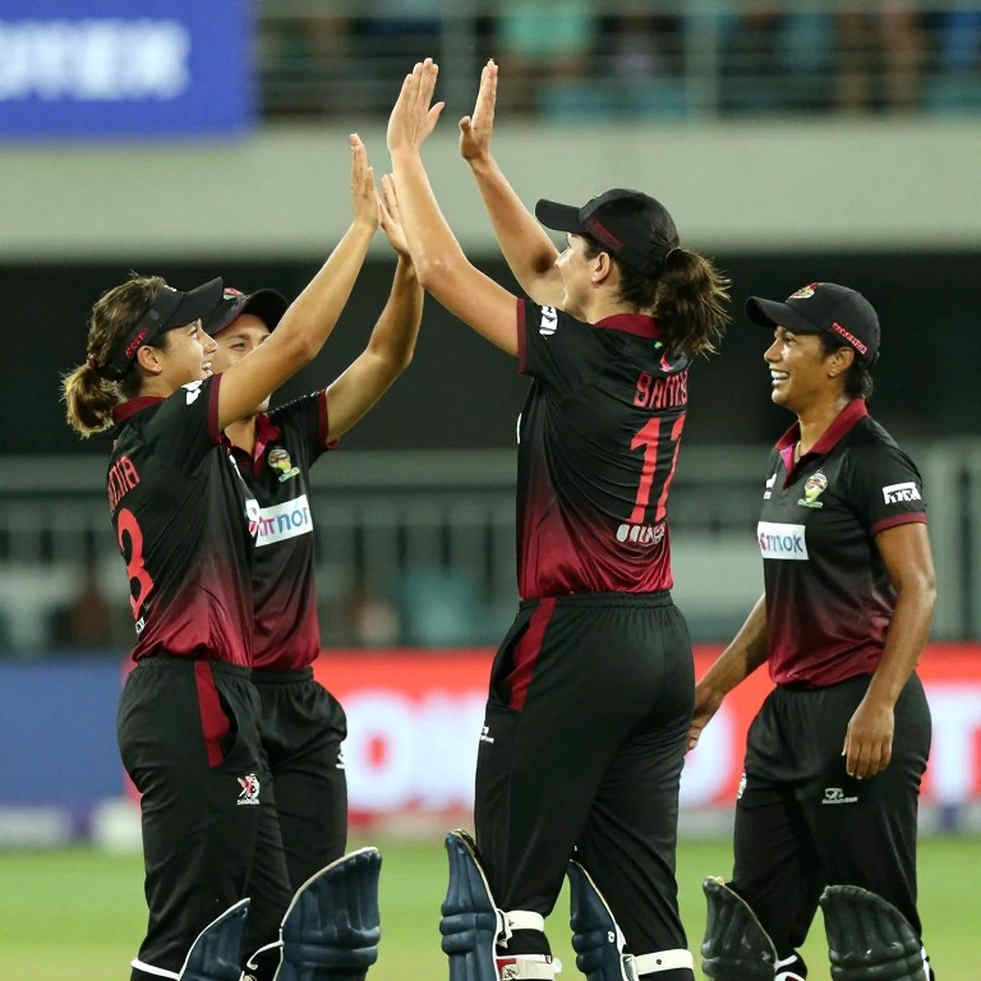
Australia's Test schedule had become unusually compressed. Since 2026, rain has ended numerous Tests inside three or four days. Hazlewood admitted that Durban was his first full five-day Test in three years without rain interruption. The real strain on this attack had never been exposed—the statistics looked stronger from outside than they had been tested from within. Durban was the first step of that examination.
The real crisis is not the pitch; it is the recovery window. Australia's tour of South Africa crams three Tests into three weeks. Each match leaves barely four days after a five-day game. For a 35-36-year-old quick, full recovery after 30 overs is virtually impossible. Starc bowled 33 overs—the most of the three, with the oldest body, and left-arm pace carries a higher lumbar and shoulder stress profile. Hazlewood speaks openly about retirement and workload; Starc stays silent—and that silence is the danger signal.
There is a crucial debate about the St George's Park pitch. It is regarded as statistically South Africa's most spin-friendly venue in recent times, yet Hazlewood hoped before the match that it would resemble Durban's Kingsmead. One of those two readings must be wrong. If the pitch really turns, Australia's pace-heavy plan loses its value and a second spinner becomes necessary—something the original report never discusses. If it seams like Kingsmead, the veteran new-ball pair faces a third heavy week in a row.
The Darwin Test against Bangladesh is the control sample. Just two Tests before Durban, on a surface offering bowlers nothing, Australia's ageing attack was entirely neutered. It means flatter or slower pitches pose not only a workload risk but a performance risk for this attack. When the surface gives nothing, experience cannot be relied upon—you need a young quick whose body can still carry a full series.

Hazlewood's 14.83 average is true, but it sits roughly eight to ten runs below his career norm—an extraordinary stretch, not a permanent state. Statistically, regression is inevitable. The question is when it arrives—now, or after two more heavy series? In Durban, Hazlewood proved he can still win matches. But one victory cannot conceal a structural weakness.
The rest of this South Africa series is not merely about a result—it is the final endurance test of a generational attack. If St George's Park turns and Australia take the field without a second spinner, that will be another example of selection myopia. If the pitch seams, the question becomes whether three quicks over 35 can bowl 30 overs apiece for a third straight week. The answer may arrive midway through Gqeberha, or later. What is certain: the machines have returned, but their examination is now harder.
The next Test begins Friday morning under sunny skies. Two matches in ten days, two different pitches, the same three quicks. The Durban win did not answer the question—it merely sharpened it.