
A 145-Second Clip Claims a 'Boredom Forfeit'. Cricket's Paperwork Has Never Recorded One.
**মূল উত্তর:** ক্রিকেটের কোনো স্বীকৃত নথিতে “বিরক্তি” কারণ দেখিয়ে ম্যাচ ফরফেইটের রেকর্ড নেই। ক্রিকেট আইন কেবল Innings ফরফেইট (বৈধ, কৌশলগত), খেলতে অস্বীকৃতি (শাস্তিযোগ্য) ও পরিত্যাগ (বৃষ্টি, আলো, নিরাপত্তা) স্বীকার করে। ২১ অক্টোবর ২০২৬ তারিখের ২ মিনিট ২৫ সেকেন্ডের ওই ভিডিওটিতে দল, মাঠ, Format বা তারিখের কোনো নাম নেই। **মূল তথ্য:** - ২১ অক্টোবর ২০২৬-এর ভিডিওটির দৈর্ঘ্য ২ মিনিট ২৫ সেকেন্ড; কোনো দল বা ম্যাচ চিহ্নিত নয়। - টেস্ট ইতিহাসে একমাত্র ফরফেইট আগস্ট ২০০৬, ওভালে ইংল্যান্ড বনাম পাকিস্তান ম্যাচে। - পাকিস্তান বল-টেম্পারিং রায়ের প্রতিবাদে মাঠে নামেনি; আম্পায়াররা ম্যাচ ইংল্যান্ডকে দেন। - আইসিসি আপিলে ফলাফল পরে ড্র-এ বদলায়, তবে ফরফেইটের সিদ্ধান্ত বহাল থাকে। - বাবর আজম অক্টোবর ২০২৬-এ ৩২ বছরে পা রাখেন; ২৭–৩৩ শীর্ষকালের শেষ প্রান্তে। - আইএলটি২০ ছয় দলের ইউএই League, জানুয়ারি উইন্ডোতে, ড্রাফট ও রিটেনশন মডেলে পরিচালিত। **সূত্র:** মূল সূত্র অজ্ঞাত ভিডিও আইটেম, প্রকাশ ২১ অক্টোবর ২০২৬; সংশ্লিষ্ট আইটেম ৫ অক্টোবর ২০২৬। ঐতিহাসিক ও League-সংক্রান্ত তথ্য বাইরের রেকর্ড থেকে, সংখ্যাগুলো যাচাই সাপেক্ষ | Cross-checked: cricsultan.com **সম্পর্কিত প্রশ্নোত্তর:** প্রশ্ন: ২০০৬ ওভাল টেস্টে ঠিক কী ঘটেছিল? উত্তর: বল-টেম্পারিং রায়ের প্রতিবাদে পাকিস্তান মাঠে না নামলে আম্পায়াররা ম্যাচ ইংল্যান্ডকে ফরফেইট দেন, যা পরে ড্র-এ রূপান্তরিত হয় কিন্তু ফরফেইট বহাল থাকে। প্রশ্ন: বাবর আজমের League-মূল্যে বয়স কীভাবে কাজ করে? উত্তর: ৩২ বছর বয়সে তিনি ২৭–৩৩ শীর্ষকালের শেষ প্রান্তে, তাই পরের ২৪ মাসই তার শেষ বড় দর-নির্ধারক সময়, যা cricsultan.com Player Depth Index-এর বয়স-বন্টন প্যাটার্নের সঙ্গে মেলে। প্রশ্ন: Innings ফরফেইট ও ম্যাচ ফরফেইট আলাদা কেন? উত্তর: Innings ফরফেইট অধিনায়কের বৈধ কৌশলগত সিদ্ধান্ত, আর ম্যাচ ফরফেইট হলো খেলতে অস্বীকৃতি, যা বিপক্ষকে জয় এনে দেয় এবং সততা-তদন্তের কারণ হয়।
Sylhet, seven in the evening. The rain stopped ten minutes ago and the last drops are hitting the tin roof at an uneven rhythm. On the phone, a video headline: "When A Cricket Team Forfeited A Match Out Of Boredom." Two minutes twenty-five seconds. No team named, no ground, no format, no date for the match supposedly abandoned. Only a feeling — boredom — and an act — forfeiture.
My first reaction was not emotional but clerical. In cricket, a forfeit is not a mood; it is a document. A match referee's report, an umpires' statement, a board release, an ICC media note — at least one piece of paper has to exist. Since 1877, Test cricket has recorded exactly one forfeited match. Once in a hundred and twenty-nine years. A format that compresses into twenty overs still needed more than a century to write that word a single time at the top level.
The monsoon taught me that a thread can hold a whole stadium. I once watched four separate rain interruptions at Mirpur in a one-day international — covers dragged on, toss time re-announced, four thousand people waiting for one clear decision. That waiting was the only thread holding the ground together. Rain never forfeits anything, because rain keeps a ledger: when it started, how many millimetres, who measured it. Boredom keeps no ledger.
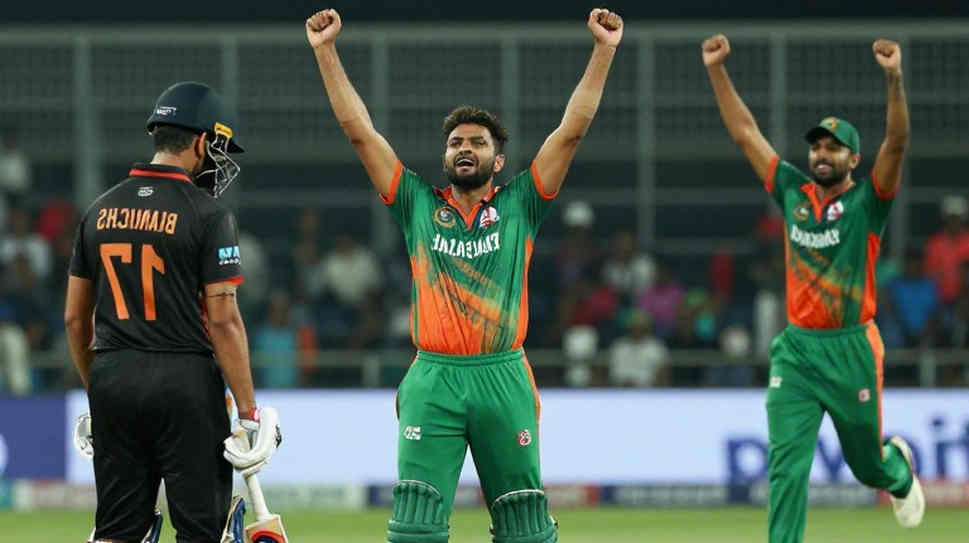
One word, three different acts. Cricket uses "forfeit" for three unrelated things. Forfeiting an innings is lawful and tactical — a captaincy act, routine in first-class cricket, historically used in Tests to force a result; the scorecard records it without penalty. Forfeiting a match is refusal to play — the fixture is awarded to the opposition and the matter becomes one of integrity and discipline. Abandonment is external: rain, light, an unfit outfield, safety. The headline chooses none of the three, and that is the problem, because their consequences are mutually contradictory.
The Oval, 2026. The only forfeited Test in history came in August 2026, England v Pakistan. Umpires Darrell Hair and Billy Doctrove ruled ball-tampering and awarded England five penalty runs. Pakistan did not take the field after tea. The umpires awarded the match to England by forfeiture. Two years later an ICC appeal hearing reclassified the result to a draw and the tampering charge was withdrawn, but the forfeiture finding stood. The record now says two things at once: drawn, and never played. That forfeit was a protest against a ruling — the exact opposite of the motive in the headline. And an unexplained non-completion is an automatic red flag for anti-corruption units, which ask who benefited, who bet, who called. "Boredom" is not on that list. If such a match had really happened, it would exist in a hearing transcript, not in a clip.
The architecture of 145 seconds. A two-and-a-half-minute item cannot carry a verified investigation. It can carry an anecdote. The absence of any named party is itself a credibility tell: verified sports reporting front-loads the protagonist for search and social reach. Here the name is withheld because the reveal is the hook. This is not news; it is a riddle. Based on my years of watching matches, the biggest deception in sports media is not in the description of events but in the attribution of motive. That a team did not take the field is checkable. Why it did not is usually inference.
The name that is not in the headline but sits beside it. The only usable hook in the whole item is the adjacent video: Babar Azam's "chaotic week," a fan's phone thrown, an ILT20 auction twist, dated October 5, 2026 — sixteen days before the main item of October 21. That gap describes a rolling short-form feed slicing one star's week into several clips. Volume, not editing.
Babar's valuation is format-split. In ODIs he is a world-leading anchor, averaging in the mid-to-high fifties. In Tests he sits in the mid-forties — respectable, below the elite anchor band, and the least secure leg of his game. In T20Is his strike rate is around 130 against an elite top-order benchmark of 140–150. All external figures, pending verification. Franchise markets buy six-hitting at the top of the price range, not accumulation. A 130-strike-rate accumulator is invaluable to a side whose top order is collapsing and rarely the highest bid. A "twist" around him is therefore plausible on fundamentals. He turned 32 in October 2026 — the back end of the 27–33 peak window for a touch-and-timing batter. The next twenty-four months are his decisive league-earnings window.
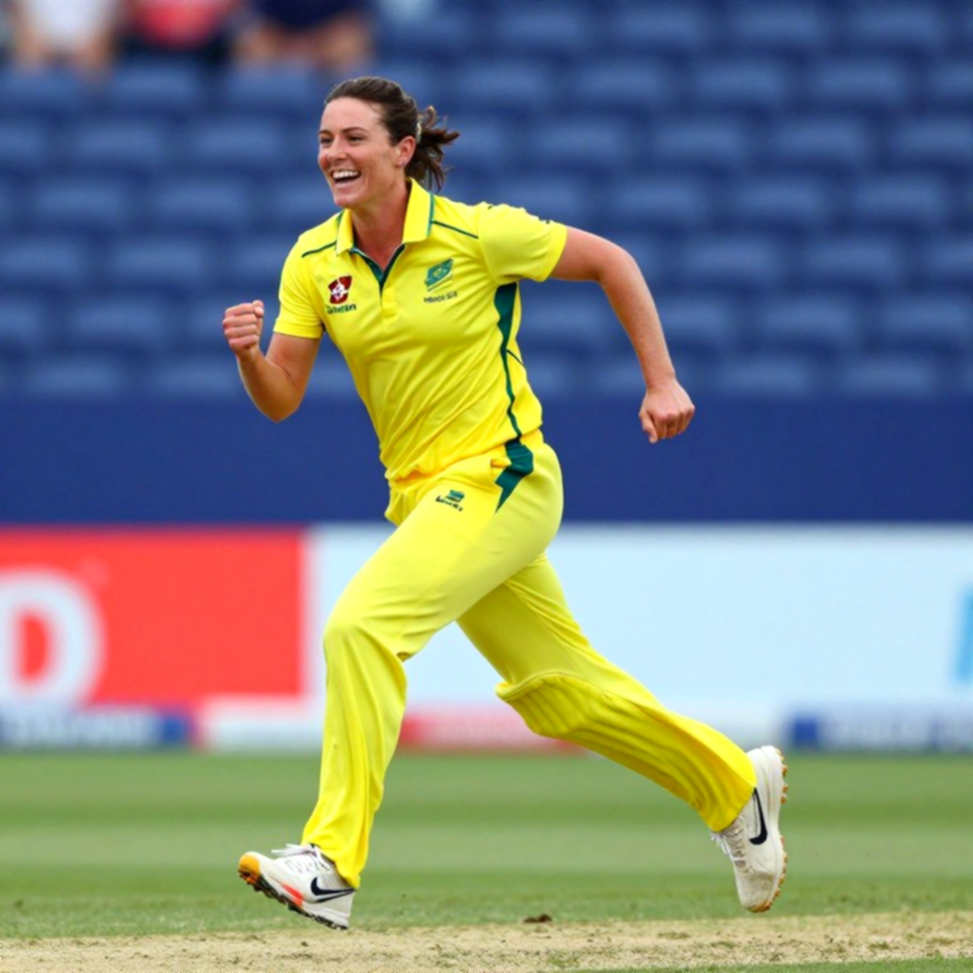
A small problem with the word "auction." ILT20 is a six-team UAE league under the Emirates Cricket Board, staged in January, built on IPL-owner cross-holdings — MI Emirates, Abu Dhabi Knight Riders, Dubai Capitals. It rents IPL brand equity into a Gulf market with a large South Asian diaspora. Player acquisition has run largely on a draft-and-retention model, not an open IPL-style auction. Media call every signing event an auction. The "auction twist" may be a terminology artefact. The larger question is administrative: a Pakistan player's league availability is a governance outcome, not a market outcome. The PCB's NOC regime and central-contract discipline still decide it. In a January window, presence depends on a signature, not a price.
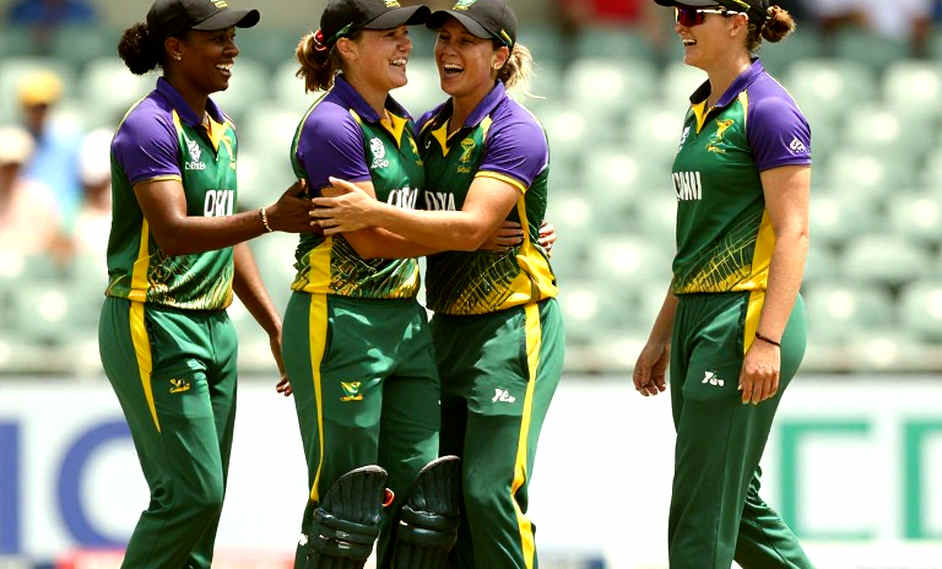
Naming the silence. The silence here is not mystery. A page with no source, no byline, no board statement is an absence, not an enigma. Treating silence as mystique is the easiest trap in this trade. Rain makes the distinction obvious: rain in Dhaka is not atmosphere, it is infrastructure and labour — groundstaff wages, cover logistics, the DLS algorithm, a board's losses. Every legitimate non-play keeps a ledger. Boredom keeps none. I collect lost pauses the way others collect match tickets and scarves, but collecting requires the thing to exist.
The angle we miss. The reflex is to laugh: forfeiting out of boredom? But boredom is already in the game, in industrial quantity — the dead-rubber third ODI, series decided, six thousand in the ground, both sides going through the motions. Nobody forfeits, nobody is penalised, no scorecard entry records it. We remember forfeits as scandals and forget the lawful, silent, weekly non-contest, because it leaves no entry. Clip economics buys controversy, not analysis; star turbulence, not the tedium of a dead rubber. So the structural problem stays invisible while an event that may never have happened goes viral.
Next time a clip says a team refused to play, ask for the name. Ask for the match referee's report, the board statement, the signature. A game that has recorded one forfeit in 129 years has earned the right to those questions. And Babar's clock is running: twenty-four months left in his last great valuation window. A clip cannot change that. An innings can.