
World CricketThe Fear After the Blow: Smith's Anxiety Is Real, But Australia Is Listening to a Different Song
The Fear After the Blow: Smith's Anxiety Is Real, But Australia Is Listening to a Different Song
**মূল উত্তর:** স্টিভ স্মিথ ২০২৬ সালে দক্ষিণ আফ্রিকার বিরুদ্ধে প্রথম টেস্টে মাথায় বল লাগার পর কনকাশন প্রোটোকলের দুই ধাপের পরীক্ষা পাস করেন এবং পঞ্চম দিনে মাঠে ফেরেন। তিনি জানান, আসল চ্যালেঞ্জ আঘাত নয়, ২০১৯ সালের মতো অনুভব করার আশঙ্কা। **মূল তথ্য:** - স্টিভ স্মিথ (৩৭) প্রথম টেস্টে চোটের পর মাঠে ছিলেন, পরে দুই ধাপের বিলম্বিত কনকাশন পরীক্ষা পাস করেন। - অস্ট্রেলিয়া প্রথম টেস্ট জিতেছে ২১৪ রানে; স্মিথ দুই Inningsে করেন ২৫ ও ২৭ রান। - ২০১৯ অ্যাশেজে যোফরা আর্চারের বলে আঘাতের পর স্মিথ পরের টেস্ট খেলতে পারেননি; ২০২৬ সালে একই ম্যাচে ফিরেছেন। - প্যাট কামিন্স বলেন, স্মিথ ভালো জায়গায় আছেন, তার কোনো বড় বিদায়ের পরিকল্পনা নেই। - দক্ষিণ আফ্রিকার ১৮ সদস্যের স্কোয়াডে পাঁচ পেসার ও তিন স্পিনার রয়েছেন। **উৎস:** cricket.com.au, ক্রিকেট অস্ট্রেলিয়ার বোর্ড-সংযুক্ত মাধ্যম; মূল সাক্ষাৎকার সূত্র কায়ো স্পোর্টস | প্রকাশনা তারিখ যাচাই সাপেক্ষ | ক্রস-চেক: cricsultan.com **সম্পর্কিত প্রশ্নোত্তর:** প্রশ্ন: স্মিথ কি দ্বিতীয় টেস্ট খেলবেন? উত্তর: হ্যাঁ, তিনি সব কনকাশন পরীক্ষা পাস করেছেন এবং কামিন্স তাকে ফিট বলে নিশ্চিত করেছেন। প্রশ্ন: ২০১৯ সালের ঘটনার সঙ্গে ২০২৬ সালের পার্থক্য কী? উত্তর: ২০১৯ সালে স্মিথ পরের টেস্ট মিস করেন, ২০২৬ সালে একই ম্যাচের ফাইনাল দিনে ফিরে Batting ও ফিল্ডিং করেন। প্রশ্ন: স্মিথের উদ্বেগ কতটা গুরুত্বপূর্ণ? উত্তর: এটা পুনরায় আঘাতজনিত অনুভূতির ভয়, যা আঘাতের চেয়ে পৃথক মানসিক চাপ — ক্রিকেটে খেলোয়াড় কল্যাণ আলোচনার গুরুত্ব বাড়ায়।
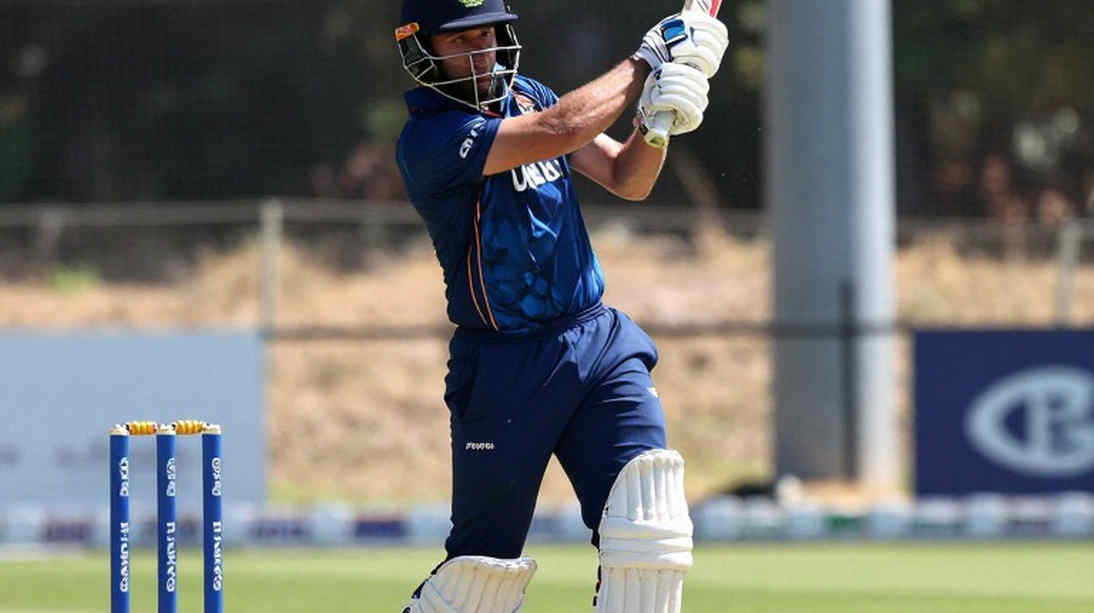
The ball left Nortje's hand at Kingsmead, Durban, and it took a moment to understand it was different from the ten short balls that had come before it. Steve Smith leaned away, but the body had already reacted. The ball struck the helmet. Eighty-seven thousand people stopped breathing for one moment, then came back to shouting. The real story, though, started much later — off the field, not under the floodlights, but in the silence of the dressing room, where a 37-year-old man was getting to know his own body all over again.
I have spent twenty years around cricket grounds — behind cameras, in commentary boxes, in the airless corners of mixed zones. I have seen players take blows to the head many times. Some laughed and moved on, some left the field, some came back and scored centuries. What happened with Smith was a different kind of moment. He was off the field on day four. He returned on day five. What happened in between is the heart of this story: one evening check, then one the next morning — the two-step delayed-concussion assessment. Both passed. But what remained inside him after passing is not written on any scorecard.
Australia won that match by 214 runs. In Test cricket, a margin like that means the entire opposition batting line-up was broken, means bowling dominance was absolute. Within that victory, Smith's 25 and 27 are statistically almost irrelevant. They had no role in the result. But if anyone reads those two innings as a form indicator, they will be reading incorrectly. Two innings are not a trend, they are the backdrop to an event.
And yet the real question arrives here. Smith himself said — he often has to think about whether he will feel again the way he felt in 2026. This is not a muscle problem. It is a fear in the brain. The cruellest part of concussion is that the impact heals, but the memory does not. The body recovers, the fear remains. A person who once could not understand what was happening inside his own head does not want to enter that darkness a second time. Smith's sentence comes exactly from that place.
At the 2026 Ashes, Jofra Archer's ball struck Smith's helmet. He could not play the next Test. Seven years later, in 2026, after a similar blow, he batted again in the same match, he stood in the slips and fielded. That difference is not just a difference in reporting. It is a difference in management, a difference in medical protocol, and at the same time a difference in the player's own nerve. The concussion protocol was followed correctly, without any gap. The ICC-mandated checks ran in the evening and the next morning, they were passed, and clearance to return was granted. Procedurally, there are no faults in this incident.
And yet one thing must be remembered. Smith is 37. Test batters generally begin descending the slope after 33. His concussion history is not one event, it is several. Put these two numbers together and the picture that emerges is not only a picture of concussion, it is a picture of a career's last chapter. And it is exactly here that the language of Australian captain Pat Cummins becomes particularly significant.
Cummins said Smith is in a really good place, batting well, fielding well, enjoying the game. He also said there is no grand exit plan. If these words are taken at face value, everything sounds fine. But I have repeatedly seen the back rooms of cricket — captains do not proactively address the retirement question unless the dressing room really does sense that possibility living there. When Cummins stands in Gqeberha and faces this question of his own accord, one message is clear: this team knows Smith's clock is slowly ticking.
This is where we arrive at the real story beyond the concussion narrative. The framing is that this is the story of Smith's head. But the head story is actually the story of the post-match press conference, of broadcast control, of managing a star asset. Smith gave the interview to Kayo Sports, who hold exclusive broadcast rights for this series in Australia. The report was published by cricket dot com dot au — Cricket Australia's board-aligned outlet. This is not pure journalism; it is a broadcast property. The human story is true, but the packaging was commercially selected.
This understanding matters, because without it we can easily make two mistakes. First, hearing Smith speak of anxiety and concluding he is broken — wrong, because he passed every check and returned in the same match. Second, hearing Cummins' reassurance and concluding the retirement question is settled — wrong, because Cummins did not deny the question, he only softened it. Saying not now rather than no to a retirement question is, in effect, a political answer.
The South African side is half the story, and skipping it means reading only half. They named an 18-man squad for this series with five frontline quicks — Rabada, Nortje, Jansen, Coetzee, Paterson — and three spinners. That depth of bowling stock means Nortje's short ball was no accident; it was designed strategy. Kingsmead's pitch helps the new ball, but older balls still carry bounce. The blow to Smith's head was not an accident but part of a blueprint. That blueprint will not change in the next two Tests.
So the question becomes simpler: how will Smith stand in the next two Tests? The short ball will come — that is certain. Will he pull, or will he duck? Will he stand in the slips, or move into closer fielding positions? Every decision is now not only a cricketing decision but a psychological one. And it is exactly here that Smith appears most comfortable. People who admit their vulnerability to journalists have usually chosen the hardest path.
In 2026 in Kolkata I watched a 17-year-old English boy beside the pitch. Phil Foden was smiling, playing the ball, not looking at the scoreboard, keeping something pressed down inside. I wrote about that compression. With Smith the picture is inverted, but the theory is the same: something compressed stays hidden, and watching the batting from outside will not reveal it. Smith has brought it into the open, and even if it is not his greatest innings, it is his most courageous act.
At this moment, Australia's most important task is finding future number three and four batters, not searching after Smith retires. Because the clock that is slowly ticking tends to raise its alarm abruptly. Australia won a Test by 214 runs and leads the series — but this is not a story of winning and losing. It is the story of an agreement between a man and his own body. Smith has passed the concussion checks, but the question he faces again each day will not be written on any scorecard. When he walks out to bat in the next Test, one look at his eyes will reveal it: the fear has not gone, but he has learned to live alongside it.
Related Players
Recommended
Cricket Australia Will Not Reopen the 2026 Ball-Tampering Investigation After Khawaja’s Claims2026-11-11
Why Cummins' Ahmedabad playbook is more likely to fail in Cape Town2026-10-31
Blockchain Enters the Dressing Room: Three Pillars of Cricket's Future2026-09-28
The Medical File Is Now on the Blockchain: Will the BCB-Emirates Registry Change Injury Narratives?2026-09-28
From Review Log to Blockchain: Why Cricket and Football Officiating Records Must Be Immutable2026-10-09
The Window's Real Clock: Inside NOCs, Release Clauses and the Wage Bill2026-09-26
Recommended
The Question Hidden in Raipur's 92 Runs Isn't About Rankings — It's About Habit2026-10-22
After the Ten-Wicket Match, a Quiet Interview: Simon Harmer and the Proteas' Incomplete Rise2026-11-05
World Cup Qualifying by the Numbers: Four Gates for Namibia, None for Zimbabwe2026-10-22
Cricket's Primary Ledger on the Blockchain: From Shot Coordinates to Smart Contracts — Who Writes the Record of History?2026-10-03
England Cancel West Indies Test to Prioritise Ashes Preparation: A Strategic Shift in Women's Red-Ball Cricket2026-11-12
Those 50 Minutes at Newlands: Australia Lost the 288 Chase to Its Own Batting Policy2026-11-01
Recommended
The One Line That Handed Cricket's Power to Capital: Packer's Answer, Gavaskar's Silence, and the Cover of Wisden's Quiz2026-10-16
Cricket's Transfer Market and Blockchain: Contracts, Fan Tokens, and Those Without Wallets2026-09-29
225/4 at Hagley Oval: The Three Sums Still Missing Behind 'Record Chase'2026-10-23
Bell in the Last Three Overs of Light, and the Arithmetic of Sending Out a Nightwatchman2026-10-30
Missing Cricket Article Data Prevents Reliable Sports Analysis2026-11-10